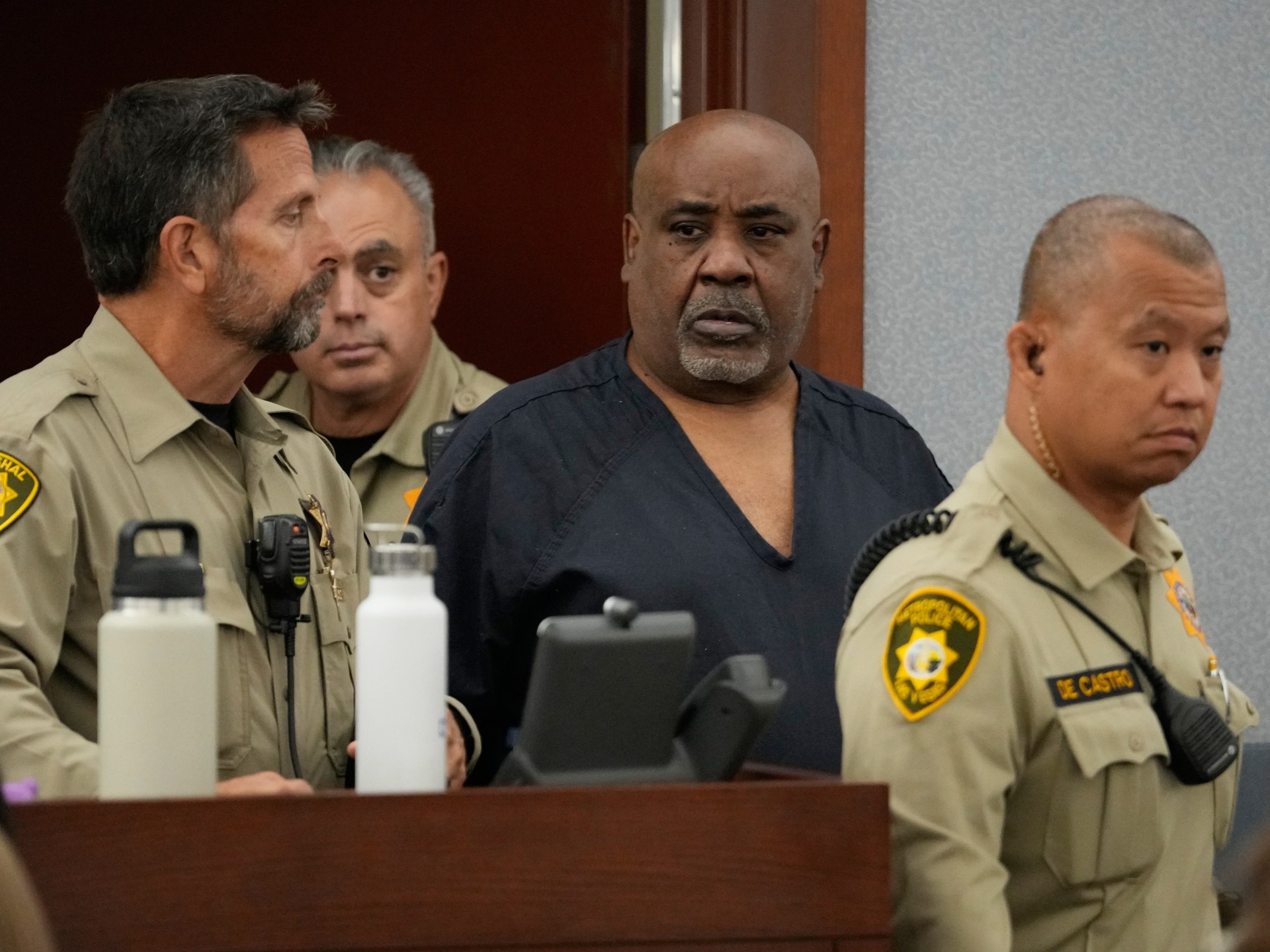

Pro-Palestine activist Mahmoud Khalil has petitioned the United States Supreme Court to review a court ruling that could pave the way for his re-arrest and deportation.
On Monday, Khalil’s lawyers filed an emergency application to the high court, seeking an immediate stay of a decision from Philadelphia’s 3rd Circuit Court of Appeals.
- list 1 of 4Mahmoud Khalil to appeal US deportation case to Supreme Court
- list 2 of 4Mahmoud Khalil calls for deportation to be halted in light of new evidence
- list 3 of 4Why is pro-Palestinian activist Mahmoud Khalil suing Columbia University?
- list 4 of 4US court hands Trump victory against pro-Palestine activist Mahmoud Khalil
end of list
That court had ruled that federal law should have prohibited lower courts from ordering Khalil’s release from immigration detention in June 2025.
Instead, the appeals court said that Khalil’s detention should have been weighed first in an immigration court — a system overseen by the executive branch of the US government — and not in district court, which is part of the judicial branch.
In March 2025, Khalil became the first student protester known to be targeted for his pro-Palestinian views under the second administration of President Donald Trump.
A permanent US resident and former Columbia University graduate student, Khalil was arrested inside the student housing complex where he lived with his wife, a US citizen.
The push to deport Khalil has become a flashpoint in the debate over free speech on US campuses.
His petition to the Supreme Court could result in a major legal showdown that determines whether federal courts can intervene when noncitizens face retaliatory detention for speech protected under the First Amendment of the US Constitution.
Khalil’s lawyers have asked the Supreme Court to rule that noncitizens do indeed have the right to sue if immigration officials detain them as a reprisal for exercising free speech.
Advertisement
“If the Trump administration can punish someone for their pro-Palestine speech, this or any future administration can punish anyone for any speech,” Khalil said during a news conference on Monday.
Trump campaigned for re-election in 2024 in part on a pledge to crack down on the pro-Palestinian student protest movement, which had erupted in 2023.
Columbia University in New York became an epicentre for such activism. Khalil, who was born in a Palestinian refugee camp in Syria, had served as a spokesperson for the protest groups.
The Trump administration, however, has characterised pro-Palestinian activism as a threat to US foreign policy interests. It has argued it has the legal right to deport noncitizens who engage in such protests as a result.
After his arrest, Khalil was quickly moved to immigration detention centres in New Jersey, then Louisiana, where he remained in custody for more than three months.
Khalil faces deportation to Algeria or Syria if the 3rd Circuit Court’s decision holds.
In May, the 3rd Circuit narrowly voted six-to-five against reconsidering his case, but its decision will not go into effect until Khalil has exhausted his appeals.
He has fought his deportation both in the immigration court system and in the federal district court system, where he has filed a habeas corpus case. Both cases remain ongoing.
In April, the Board of Immigration Appeals denied his appeal in the immigration court system and issued a final order of removal in his case.
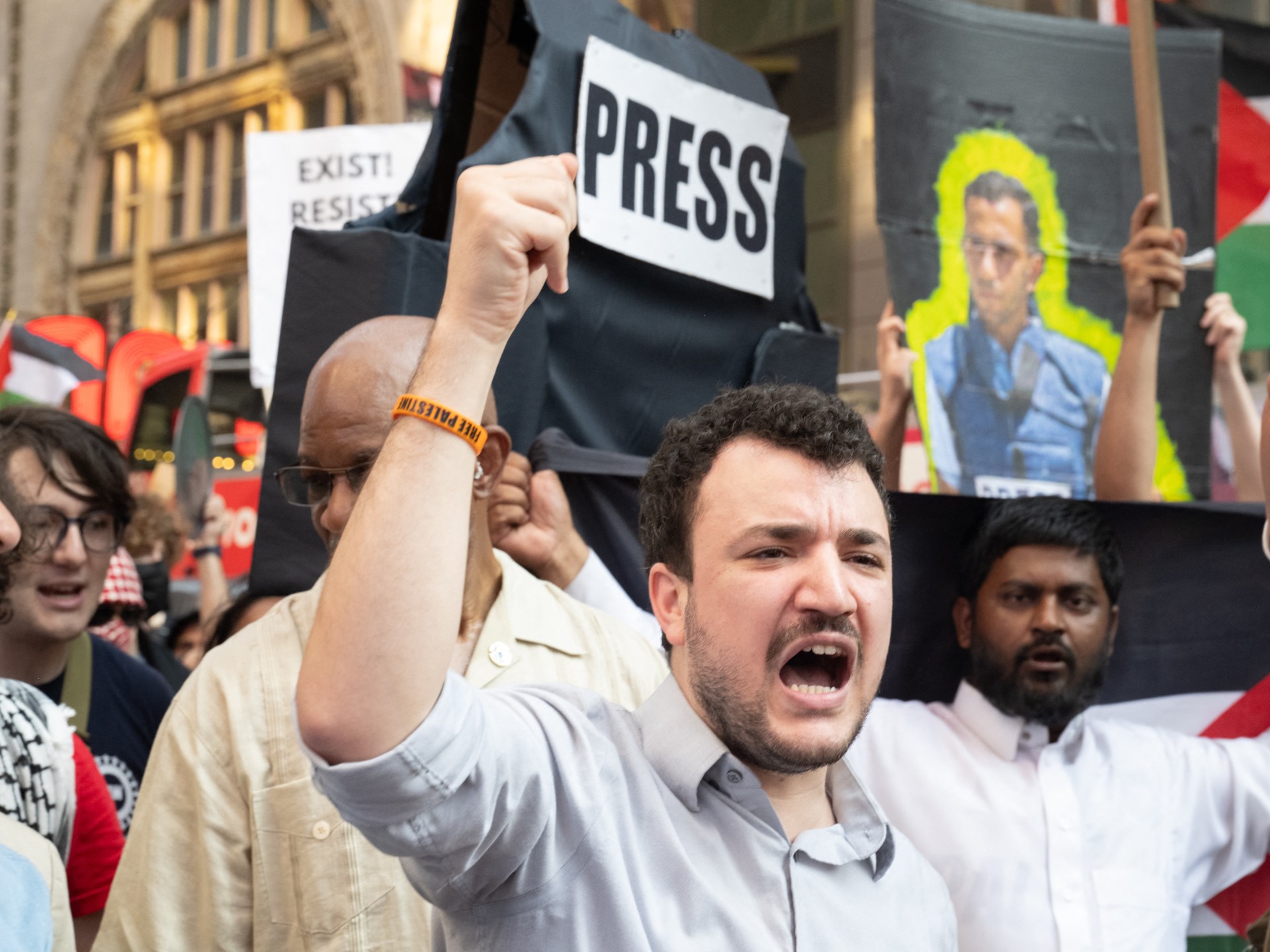
On Monday, faculty and staff at Columbia University held a silent vigil outside one of the school’s gates to protest what they described as “abducted students”, taken by Immigration and Customs Enforcement (ICE).
Placards with portraits of Khalil and fellow student protester Mohsen Mahdawi, among others, were hoisted into the air. Demonstrators called for solidarity with the students facing deportation and pushed for Columbia University to reopen its gates to the public after their closure during the protest movement.
Related News
Pakistan installs fishing nets at security outposts to block drone attacks

Africa’s space ambitions are moving from policy to practice
Despite praise and White House visits, Trump avoids endorsing Netanyahu