World cannot wait decades to pay for biodiversity as it did for forests – Dr Singh
 01 November 2026
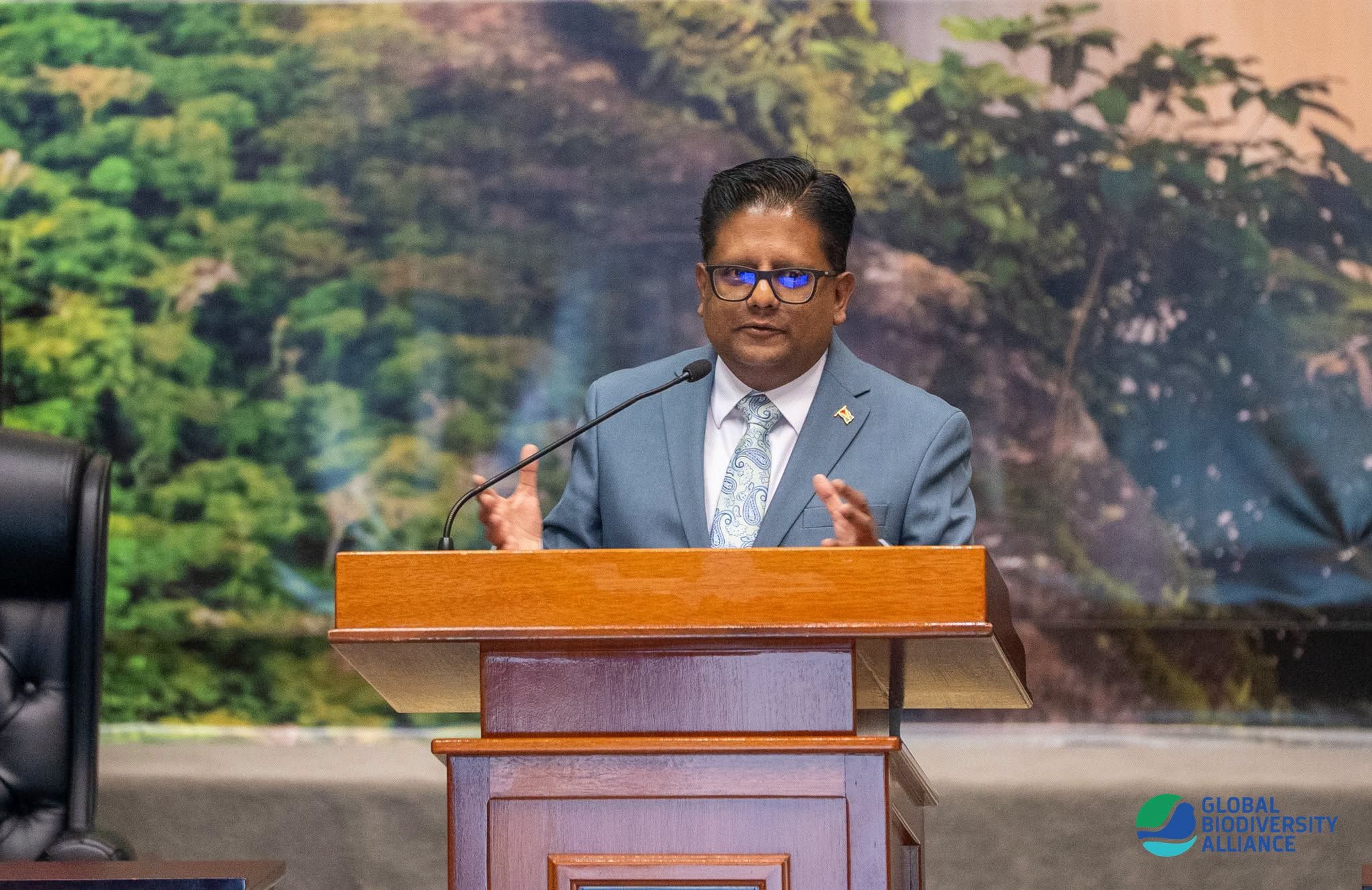


Senior Minister in the Office of the President responsible for Finance, Dr Ashni Singh, on Saturday, called on the world to move faster in valuing and paying for biodiversity than it did for forest carbon. He warned that nature cannot wait decades for financing to catch up.
Dr Singh made the call while delivering the closing remarks at the second Global Biodiversity Alliance Conference at the Arthur Chung Conference Centre (ACCC) in Liliendaal.
Recalling Guyana’s early case for being paid to keep its forest standing, Dr Singh said: “There were a few believers, but there were many doubters. But we got there, and it took us some time to get there.”
That journey ran through the Low Carbon Development Strategy (LCDS), coined by Former President and Vice President Dr Bharrat Jagdeo in 2009, the partnership with Norway, and the Monitoring, Reporting and Verification (MRV) system. It ended with Guyana securing certification of its forest carbon credits in December 2022 and selling them on the market.

Dr Singh said biodiversity cannot follow the same slow path. He told the delegates present that its economic value must be recognised, priced, and paid for.
“The world cannot afford to take the same length of time to get to the point where we understand the importance of our biodiversity,” he said.
Dr Singh added that countries need not wait for one comprehensive fix and can solve parts of the problem while working toward a larger model.
“The Global Biodiversity Alliance is the perfect vehicle through which we can do this,” he stated, calling on members to recommit to a model that measures the value of biodiversity, mobilises finance at scale, and ensures biodiversity assets are paid for the services they provide to the world.
The second Global Biodiversity Alliance conference, held on October 30 and 31, focused on financing, bringing together development banks, the private sector, communities and other partners to examine what financing instruments exist, how they can be scaled up and replicated, and how the region can benefit.
The alliance began with about 40 members at its launch last year and has since grown to 149. [DPI]
Subscribe to get the latest posts sent to your email.