

Over 6000 persons have utilised the Housing Ministry’s Single Window System since the programme was launched, but there have been challenges with digital literacy – both among applicants and key agencies – which continue to hinder the system’s full potential.
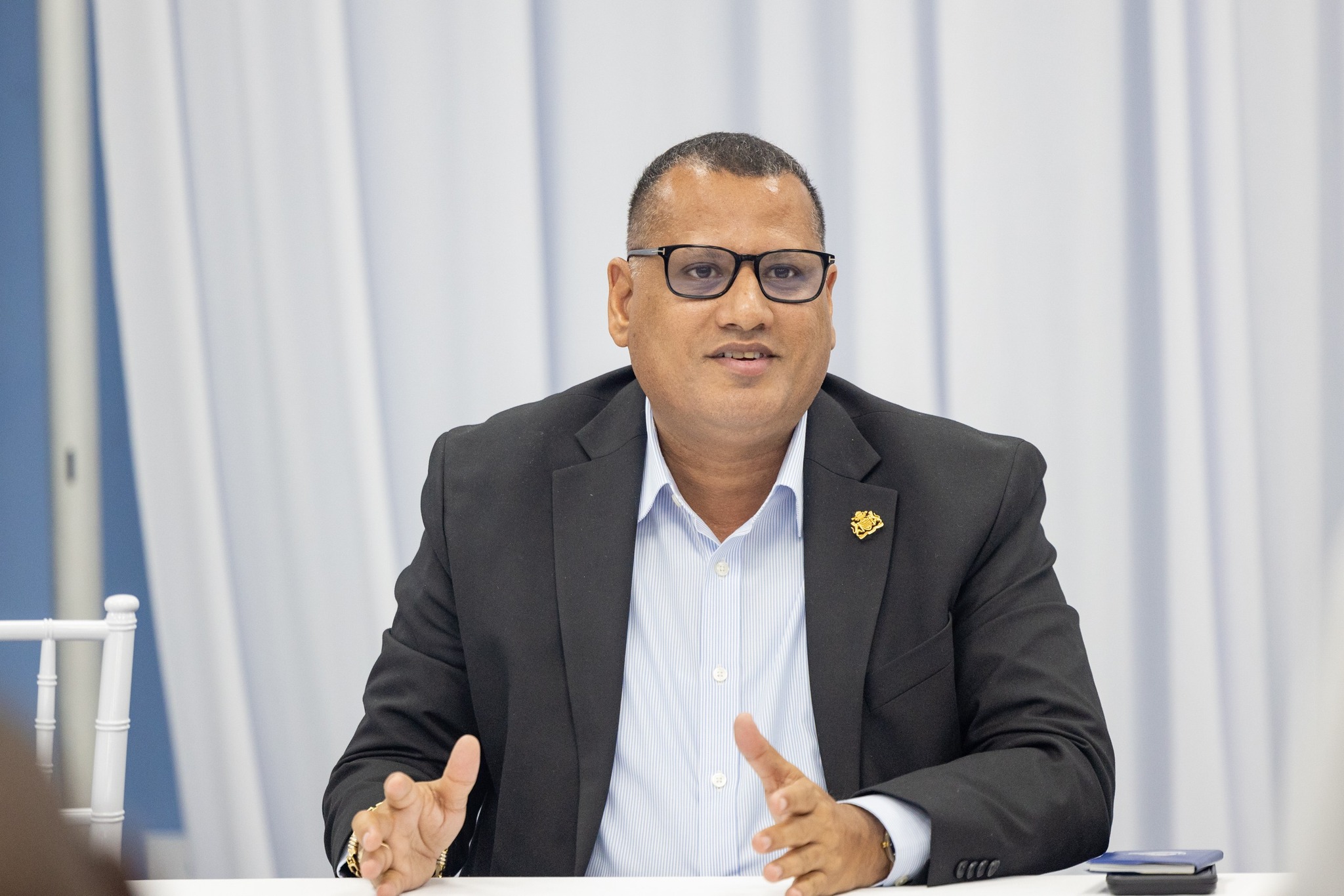
Housing Minister Collin Croal made this revelation during his presentation at the National Stakeholders Forum on Tuesday.
The Electronic Planning and Development Single Window System in Guyana was officially launched on June 19, 2024. As of late April 2026, the system has been in operation for roughly 22 months, following the passage of its enabling legislation on July 20, 2023.
Primarily used for planning/development approvals by the Central Housing and Planning Authority (CHPA) or international trade (customs/ports), the system replaces multiple submissions by connecting different agencies to improve transparency and speed.
“So, since our implementation of the single window up to last month, we have had over 6200 persons registering on the single window system and over 7000 submissions. On the application side, over 63 per cent of those are single-family or what you call residential,” the Minister revealed.
Amid these developments, he pointed to what he described as a growing synergy, noting that as more individuals gain access to land and move to develop their properties, an inherent relationship drives increased activity. He highlighted a significant rise in commercial applications, adding that this trend demonstrates that the system is functioning effectively.
Providing an update on overall performance, he stated that more than 2700 of these applications have been completed, with the average processing time now just over one month. He emphasised that this marks a major improvement compared to previous periods when processing times were significantly longer.
Further, the Minister outlines a few discrepancies where challenges exist. “From launching until maybe a month ago, on average, although we’ve implemented the system, the average for non-residential applications is still over two months. We’ve put a number of measures in place, and the challenges are that we must be realistic in the way we act. We are still a country where many of our users are not necessarily tech-savvy.”
“This challenge manifests in that the persons using the system still have a gap – a challenge of digital literacy… We have gaps that exist from persons applying… We also encounter situations with the agencies involved.”
He explained that there are two aspects to the challenge. On one hand, some applicants may not be technologically savvy, while others submit applications through representatives who may not properly review or verify the information before submission, creating a gap at the applicant level.
On the other hand, he noted that there is also a digital gap among relevant agencies, including local authorities and other entities responsible for providing input or issuing no-objection approvals through the system. He added that these issues represent some of the key challenges being addressed.
The challenges of incomplete or incorrect submissions were also outlined during his address, and according to the Minister, there have always been delays in payments because persons made their initial applications. When they are required to make their payment, delays occur.
He noted that there are capacity constraints at the local democratic level, emphasising that while the CHPA often receives the blame, the majority of delays are not necessarily system-related or directly attributable to the agency. He explained that many of the delays occur during the document validation stage, which takes place when applications are initially submitted.
He added that the CHPA is continuing its public relations efforts to highlight the need for better application support from applicants, as well as increased education and awareness among users.
While giving more stats, he stated that they have introduced several measures to reduce the backlog.
“As a result, I can safely say we have reduced our backlog by 99 per cent. We still have what we call a ‘legacy backlog’. These are cases that have been in the system many times since last year or longer periods. Some of those were in the system prior to the introduction of the single window system as part of the transition. We are seeing, however, because we must ensure things follow the law, an increase in the residential applications.”
Meanwhile, he posited that despite efforts to clear the backlog and improve users’ understanding of the system, there has been a parallel increase in the number of applications being submitted.
As a result, the residential backlog has recorded an overall increase of three per cent.
However, he noted that the document validation stage has improved by six per cent, while the final decision-making stage has been reduced by over seven per cent.
With regard to non-residential applications, he stated that the backlog has seen an overall increase of 11 per cent, alongside a significant rise of more than 237 per cent in the document validation stage.
Subscribe to get the latest posts sent to your email.
Related News
Natural Resources Ministry strengthens forest protection efforts through EU partnership

Repeat offender gets bail on drug trafficking charge
ICJ to hear Guyana-Venezuela border case starting May 4