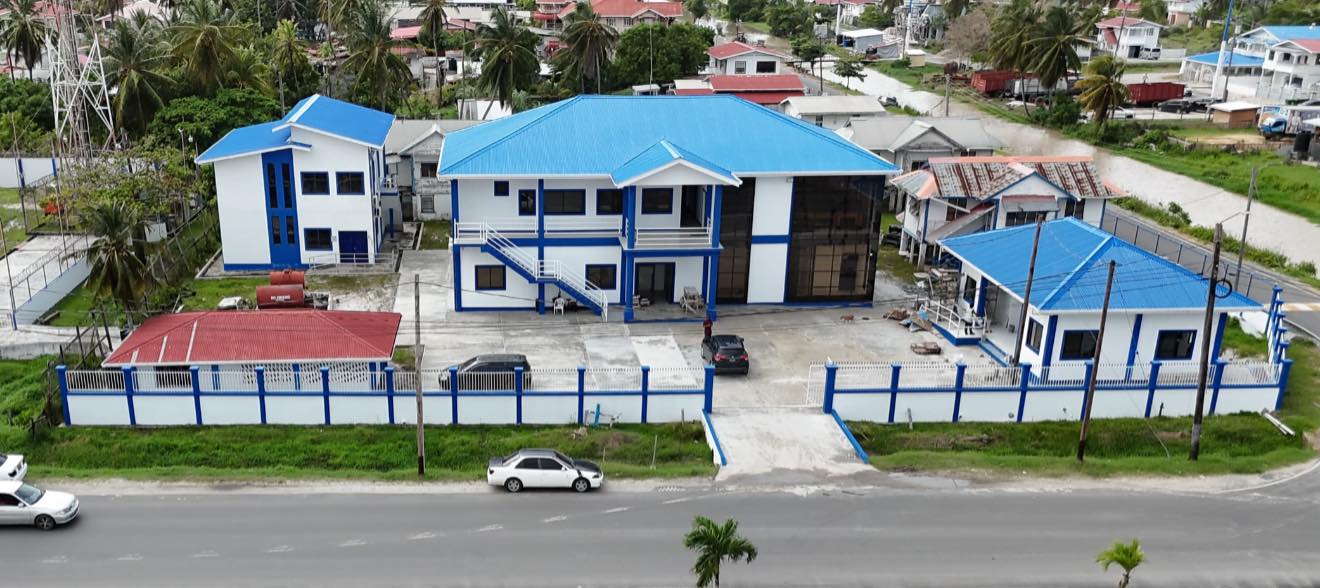


Guyana is moving toward a fully integrated, technology-driven national security system with smart police stations operating around the clock, artificial intelligence-powered crime prediction tools, and complete CCTV coverage across the country by 2030. This vision was outlined by President Dr Irfaan Ali when he engaged members of the media at a news conference held at the Office of the President on Friday.
“What do we mean by this? It means that the normal traditional front desk offices are not required but confidence must be there,” the president explained.
The smart police stations will be capable of operating 24/7 through AI-powered systems, online crime reporting, digital service delivery, integrated national databases, and real-time command and control capabilities. “Everything that we’re doing in building out this system is geared towards enhancing citizens’ trust in the security architecture and infrastructure,” the president said.

According to the president, with this system, Guyanese will no longer be required to visit the physical police stations to access clearance services. Kiosks will be established in key locations, eliminating the two-to-three-hour wait time experienced by citizens.
Alongside smart stations, the government is investing heavily in artificial intelligence for predictive security, deploying tools capable of facial recognition, behavioural analytics, automated threat detection, and smart surveillance.
Already, speed and trap cameras have been deployed on public roads, using AI, capable of generating instant reports on repeat traffic offenders, information that can be fed directly into the judicial system.
A mobile unit pilot programme has also been completed, with vehicles able to drive through communities and automatically flag cars with outstanding tickets. In one night on the East Coast, a pilot sweep identified more than 250 vehicles with outstanding infractions. “No human can interfere with the system because the system would pick them up, document it on a screen, and put it in a database,” he said.
The national surveillance component, part of the Safe Country programme, will expand CCTV coverage to all regions of the country by 2030 and incorporate an intelligent traffic management network into the broader security grid.
The architecture is designed to be interoperable with regional and international allies with the government also committing to investments in digital passports and digital ID cards as part of a global information-sharing framework built on shared responsibility and coordinated security approaches. (DPI)
Subscribe to get the latest posts sent to your email.
Related News
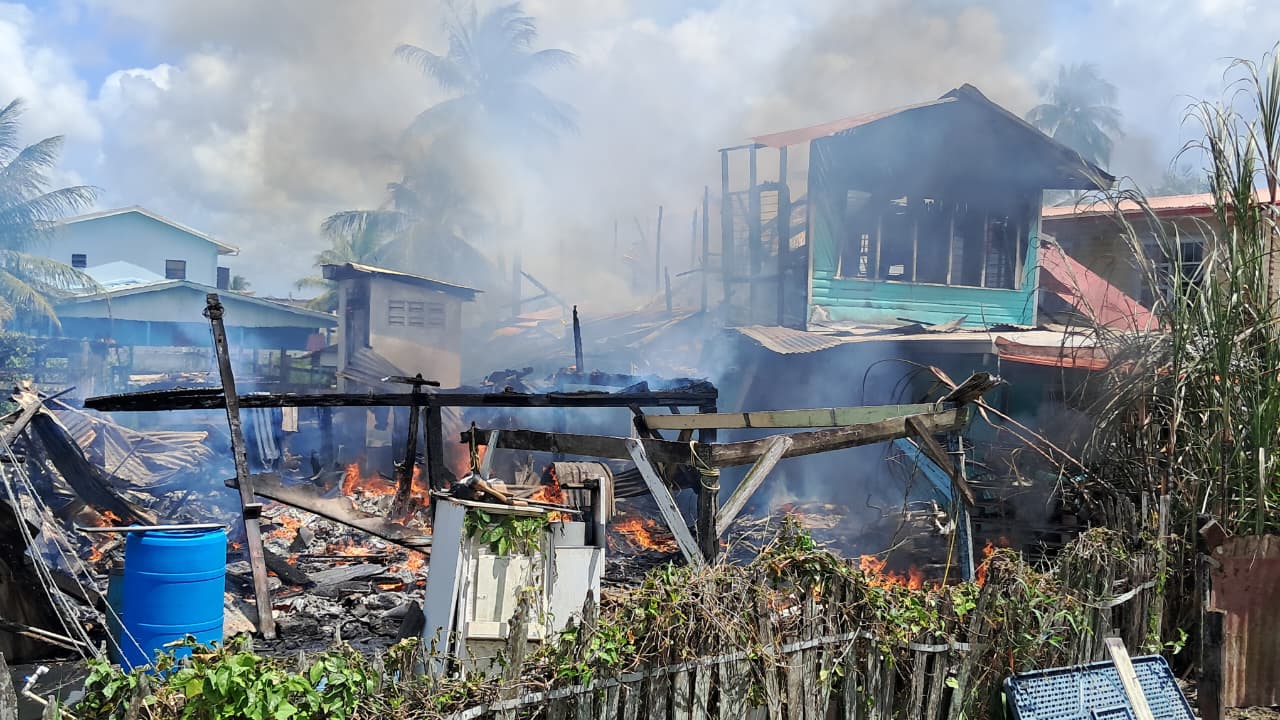
2 buildings destroyed in Sheet Anchor fire
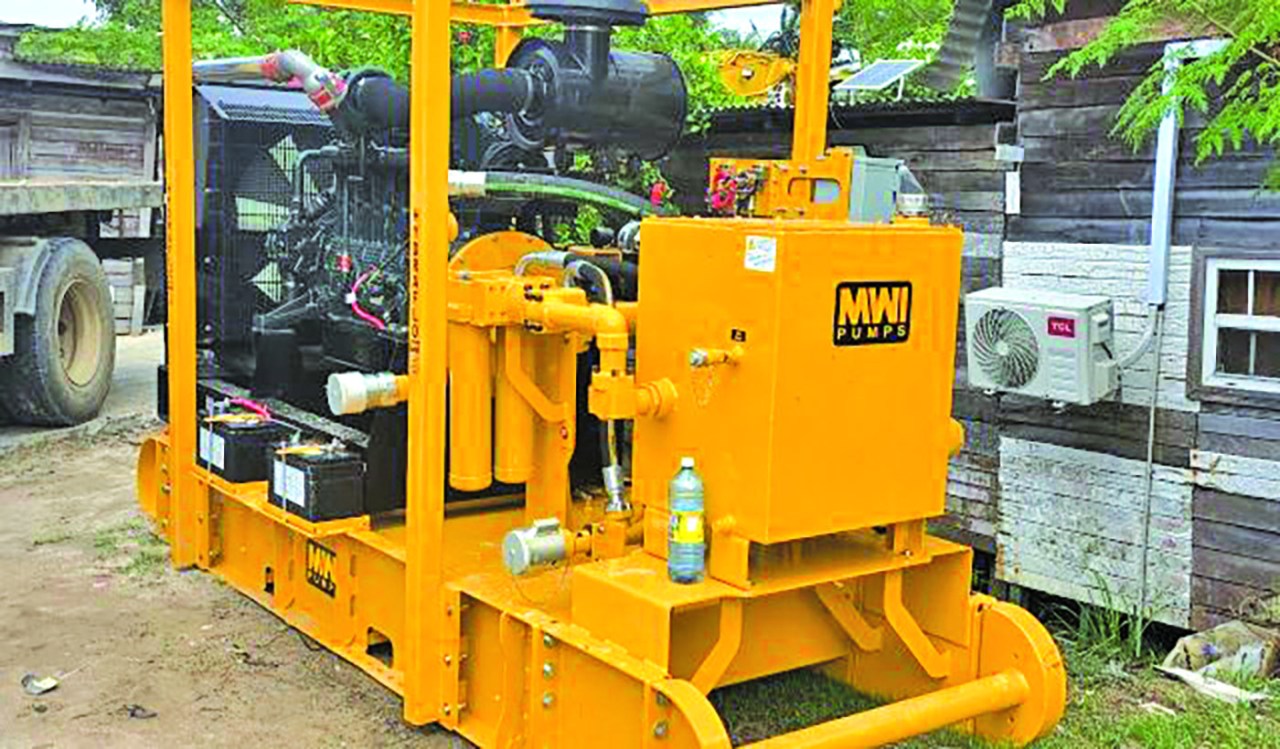
Guyana sends high-capacity pumps to Suriname amid worsening floods

Chandler earns Pro Card as Guyana grab 13 medals at Roger Boyce Classic