Govt approves compulsory national standards for LPG cylinders, low-pressure regulators
 08 August 2026
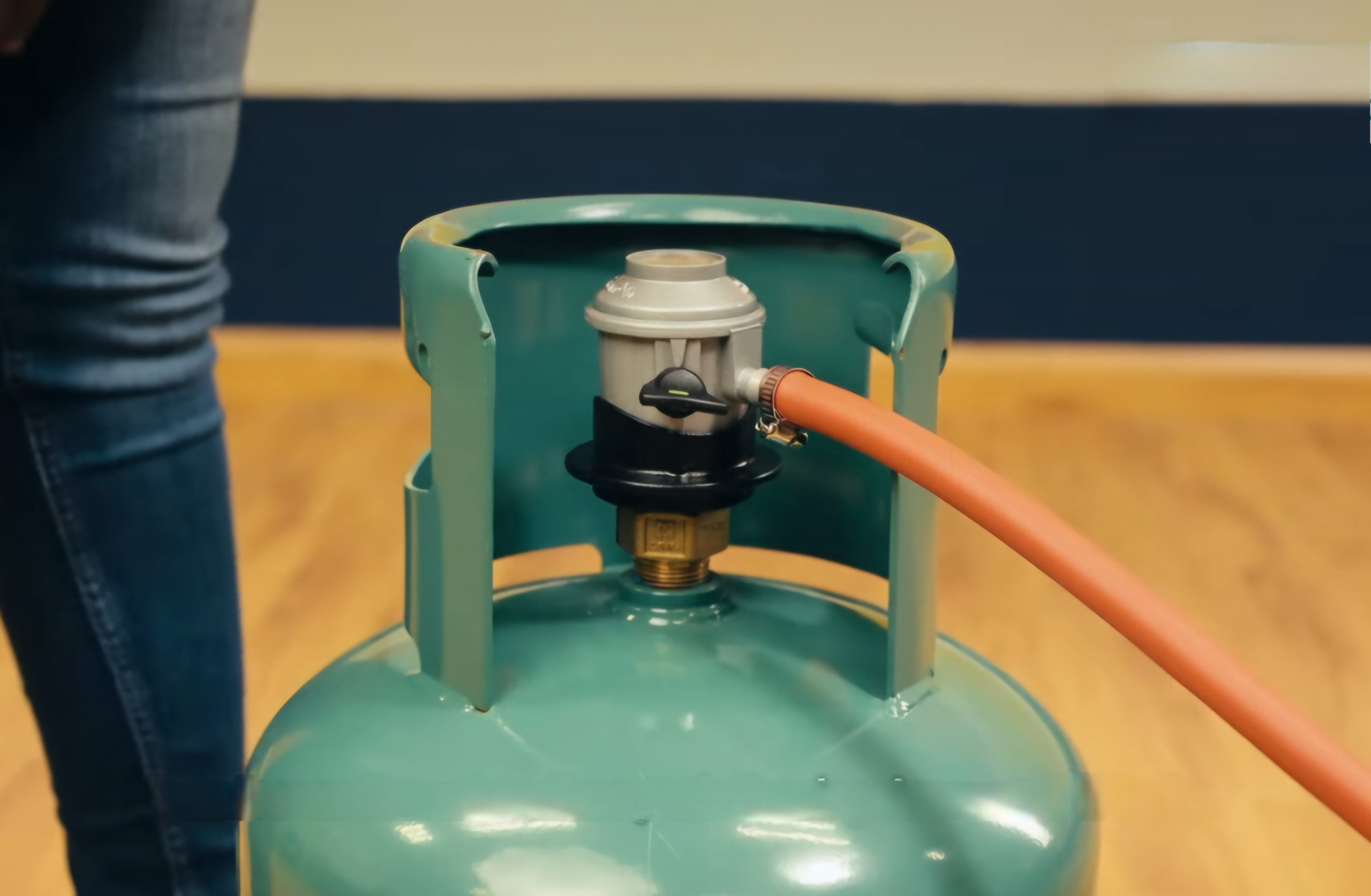


The Ministry of Tourism, Industry and Commerce advises the public that the Government of Guyana has approved two National Standards governing Liquefied Petroleum Gas (LPG) cylinders and low-pressure regulators to become compulsory, marking a significant step towards strengthening public safety and improving the quality of LPG equipment available on the local market.
Following consumer concerns regarding LPG cylinder explosions and leaks at consumers’ premises, the Government, through the Guyana National Bureau of Standards (GNBS), undertook a review and revision of the national standards GYS 264 – Specification for LPG Cylinder and its Storage, Handling and Transportation and GYS 523 – Specification for Low-pressure Regulators for Use with Liquefied Petroleum Gas (LPG) in 2025, to provide greater clarity, improve ease of use, and strengthen the monitoring of the importation and sale of low-pressure LPG regulators and LPG cylinders.
The revision process was completed by a Technical Committee comprising of key stakeholders including the Environmental Protection Agency (EPA), Guyana Energy Agency (GEA), Guyana Fire Service (GFS), Guyana Revenue Authority (GRA), Massy Gas, GUYGAS Inc. and the Competition and Consumer Affairs Commission (CCAC). Extensive input was also garnered from others in the petroleum industry and the public through a Public Consultation process over a 60-day period before the documents were finalised.
Among the key requirements introduced under the updated GYS 264 standard are provisions to ensure that LPG cylinders meet recognised safety specifications or international standards. Cylinders must also be appropriately stamped to indicate compliance.
Additionally, cylinders shall be permanently marked with the tare weight, water capacity, serial number, manufacturer or trade name, date of manufacture or last test date, tester’s symbol, and cylinder specification or working pressure.
Further, the standard requires cylinders to be fitted with a safety relief device designed to relieve vapour pressure, a cylinder shroud in good condition that is securely welded to the cylinder body, or a neck ring that allows a valve protection cap to be screwed onto the cylinder, together with a foot ring that enables the cylinder to stand in a stable, vertical position above ground.
With respect to the condition of the cylinder body, the standard requires it to be free from sharp dents or cuts, free from evidence of exposure to fire or excessive heat, bulging, corrosion, damaged foot rings, defective or broken pins, and dirt or other removable substances that may affect safe operation.
Beyond construction and marking requirements, the standard also addresses repairs, requalification, test methods, storage locations, fire extinguishers, display, handling and transportation, among other key safety provisions.
The second National Standard GYS 523 – Specification for Low-pressure Regulators for Use with Liquefied Petroleum Gas (LPG) specifies the materials, construction, performance and testing requirements for low-pressure single-stage and two-stage regulators used with liquefied petroleum gas mixtures. For the purposes of this standard, low pressure refers to any pressure below 6.894 kN/m². For comparison, domestic and commercial appliances normally operate at gas pressure of 2.942kN/m2.
Among its provisions, the standard requires that all regulator components shall be manufactured from, or treated with, materials that are compatible with LPG and are not adversely affected by the chemical or thermal conditions encountered during normal use. It further specifies that brass parts shall not be susceptible to season cracking, while the covers of regulators with a rated capacity of up to 1,000 l/h shall be manufactured from zinc-based alloys by pressure die-casting.
It also specifies the required finishes and materials used in regulator construction, valve pad materials, workmanship, threaded and non-threaded connections, low- and high-temperature testing, endurance testing, user instructions, maintenance requirements, and tests for the mechanical strength of connections, among other technical requirements.
The introduction of these standards as compulsory will require suppliers and manufacturers to ensure that all LPG cylinders and low-pressure regulators comply with the prescribed requirements, thereby enhancing safety, improving product quality and reducing the risk of accidents. It will also provide consumers with greater confidence that LPG cylinders and regulators available on the market meet established safety and performance requirements.
The Ministry notes that implementation of these standards will involve collaboration among relevant agencies, with GYS 264 being monitored by the Guyana Energy Agency (GEA) and GYS 523 being monitored by the Guyana National Bureau of Standards (GNBS).
As part of the legal requirement towards making these standards compulsory, the Ministry of Tourism, Industry and Commerce is inviting interested persons to submit representations/comments on the proposed compulsory LPG standards to the Executive Director, GNBS, on or before September 30, 2026. The Ministry encourages consumers, importers, distributors and other stakeholders to familiarise themselves with these National Standards. Copies of the standards are available for inspection at the GNBS Head Office, Track MB, Block B, National Exhibition Centre, Sophia, Georgetown, and on the GNBS website www.gnbsgy.org.
Subscribe to get the latest posts sent to your email.
Related News
Tropical Storm Dolly forms in the Atlantic and could bring heavy rain to parts of the C'bean

Guyana produces largest nursing cohort in history as 669 graduate

Reg. 3 rice farmers receive over $201M in cash grants