Gas-to-Energy project-Guyanese businesses should prepare for massive opportunities – ExxonMobil official
 09 November 2026
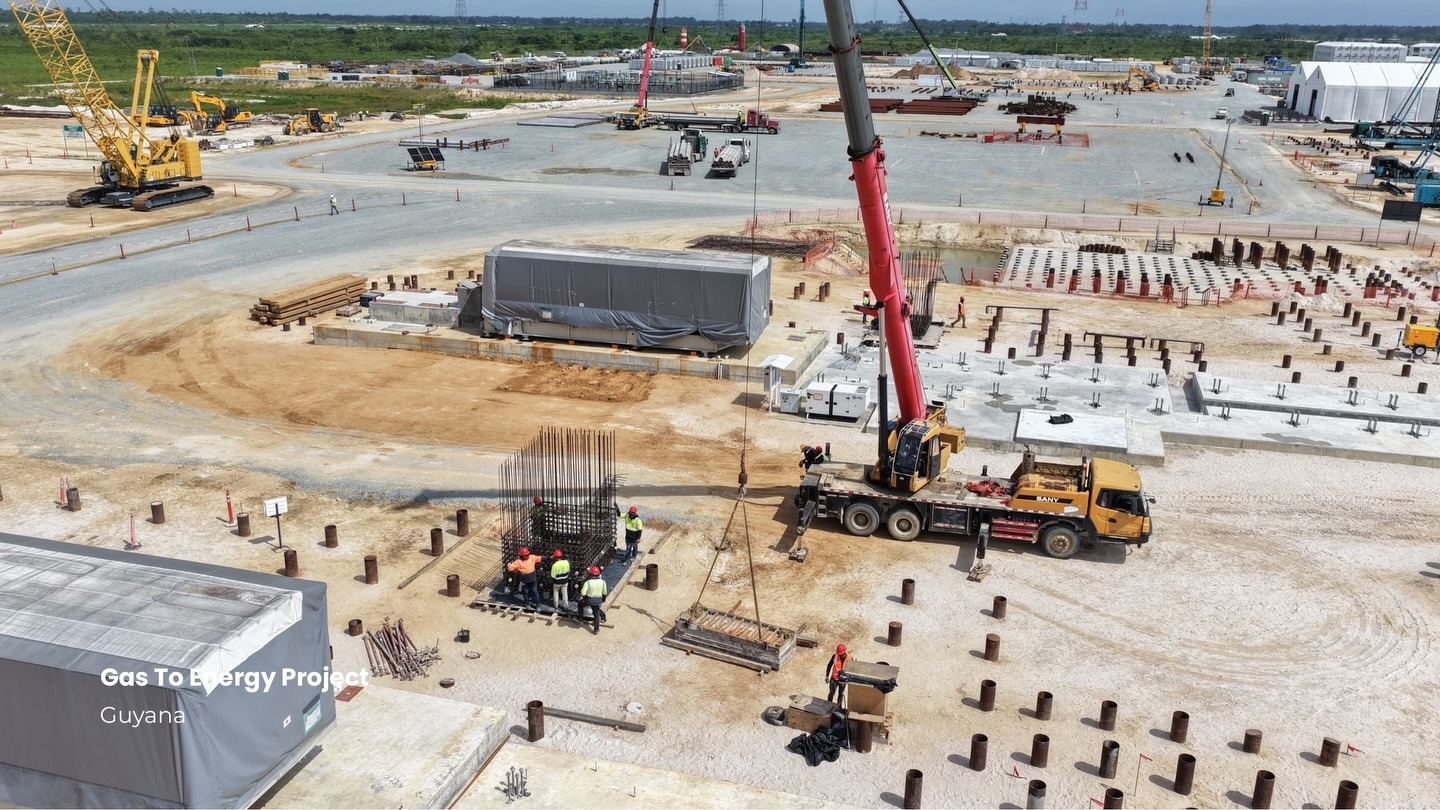


With Guyana pursuing major gas development projects, local businesses are being encouraged to position themselves to capitalise on the opportunities that will come.
This call was made by ExxonMobil Guyana’s Socioeconomic Manager, Lorna Carlson, during the Guyana Supplier Forum 2026 held last week – a flagship event that connects local and international businesses with opportunities in the oil and gas sector. According to Carlson, there are exciting opportunities ahead and Guyanese businesses need to build capabilities not just to be competitive but also participate in the development of the country’s burgeoning oil and gas sector.
“The capabilities being built today will influence how effectively Guyana participates in future areas of growth. Potential gas development that we’ve heard an awful lot about presents one example [for Guyanese businesses],” she noted.
These opportunities, the ExxonMobil official pointed out, are not just within the traditional upstream activities but spans infrastructure, industrial development, manufacturing, logistics, technology, utilities, processing facilities and supporting commercial enterprises. “The precise timing and scope of these opportunities will depend on future decisions and project requirements. What is clear, however, is that adaptability, innovation, workforce development and collaboration will remain important foundations for long term success,” Carlson emphasised.

ExxonMobil has already laid a US$1 billion pipeline to bring natural gas from the Liza field offshore to the Gas-to-Energy (GtE) Project site at Wales, West Bank Demerara (WBD), where a 300-megawatt (MW) power plant and a Natural Gas Liquids (NGL) facility are being built. In the first phase, the pipeline will start delivering gas during the first half of 2027 to generate power. Phase Two of the GtE initiative will see a second power plant and another NGL facility also being constructed at the Wales site, where a fertiliser plant and a cooking gas bottling plant are slated to be established.
However, the Guyana Government is pursuing another massive gas development project in Region Six (East Berbice-Corentyne) that would require a much larger pipeline to utilise the country’s gas resources to support large-scale industrial growth with more power plants, a data centre and an alumina plant, among other heavy industries, already being mentioned. It was previously reported that this second pipeline would cost approximately US$2 billion – double the cost of the existing infrastructure at Wales.
But ExxonMobil Guyana President, Alistair Routledge, previously stated that before such a huge investment is made, the necessary foundation must be laid. Speaking at the Georgetown Chamber of Commerce and Industry’s (GCCI) 2026 Energy Luncheon back in September, Routledge had explained that the offshore gas development and production through a new pipeline must be tied to onshore demand. According to the ExxonMobil Guyana head, foreign investors will be looking for certain security before injecting their capital and expertise in the local market. These include certainly of gas supply, which industry to put their investments in, what are the investment terms, and who are the potential partners to work with in Guyana.
This, he pointed out, is where local bodies like GCCI, the Private Sector Commission (PSC), and even the Berbice business chambers, would have to step up and play a greater role in efforts to create the enabling environment for investments in Guyana’s gas resources. At that same event, Public Utilities and Aviation Minister Deodat Indar had also urged Guyanese businesses to study where the sector is heading, identify areas in which they can build technical expertise and invest in the people, systems and partnerships needed to compete.
He cited opportunities expected to emerge from the GtE development, including gas utilisation, storage, transportation and downstream industries. According to Indar, local businesses must to look beyond oil production and position themselves for the growing range of opportunities emerging across the wider economy including areas such as logistics, transportation, warehousing, construction, certification, specialised technical services, training, and waste management, among others.
Subscribe to get the latest posts sent to your email.
Related News
UG students urged to defend multilateralism, uphold international law

Pres Ali leads Guyana in rededication to peace on Remembrance Sunday

23-Y-O porter dies after jumping from lorry to avoid falling over cliff in Reg. 1