‘Don’t wait until people get diabetes to start managing them’ – Dr Anthony tells healthcare workers
 21 October 2026
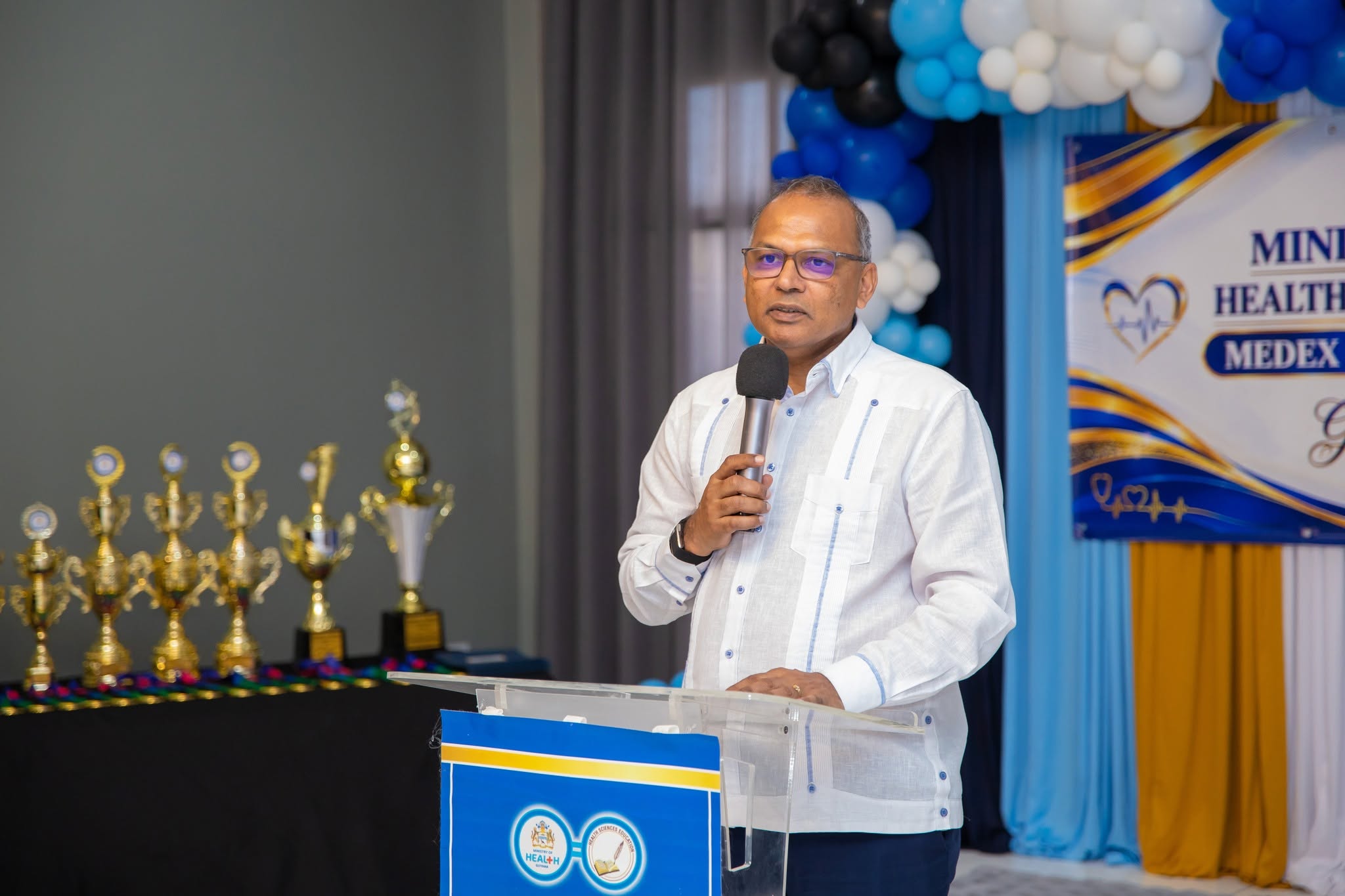


With diabetes remaining a major public health concern across the country, Health Minister, Dr Frank Anthony, is urging healthcare workers to take a more proactive approach by identifying and managing at-risk patients early to prevent the onset of the disease and improve health outcomes.
“When we don’t manage people’s sugar…we take a toe, then next we take another piece of the foot, and eventually they lost their limb but all of that can be prevented if we manage their diabetes better,” Dr Anthony emphasised on Tuesday as he addressed graduands of the Medex Training Programme.
“We have guidelines that relates to diabetes…we don’t have to wait until people get diabetes to start managing them. Most of the places we’ve start using HbA1C, so you gotto know when people are pre-diabetic, you gotto start there so we delay the onset of diabetes and if and when they get diabetes, they you got other meds that you will use. These things can make a tremendous difference to the lives of people,” he explained.
Last available statistics show that over 60,000 persons in the country are diagnosed diabetics, with many individuals still unaware of their statuses.
HbA1C tests provide a three-month average of blood glucose levels, offering a more comprehensive view of blood sugar control over time than traditional glucose tests. This advanced screening tool is now accessible in health facilities nationwide, helping healthcare providers monitor patients’ progress and adjust treatment as needed.
To prevent and manage one of the leading complications of diabetes, the Health Ministry has expanded access to diabetic retinal examinations. Patients can now receive regular eye exams to detect and address retinopathy, a serious complication of diabetes that can lead to blindness if left untreated. Equipped with specialised diagnostic tools, ophthalmology clinics are now available in some health facilities, providing crucial eye care services to at-risk patients.
In response to the high risk of kidney disease associated with diabetes, the Health Ministry has expanded nephrology services across regional hospitals, allowing diabetic patients to receive regular kidney function tests and specialised nephrology care. By improving access to kidney health services, the Ministry aims to reduce the incidence of diabetic nephropathy and support early intervention, which is critical in preserving kidney health and preventing dialysis.
The Ministry has also increased the number of foot clinics nationwide to reduce the risk of diabetic foot complications, such as infections and ulcers that can lead to amputation. These clinics offer regular foot examinations, wound care, preventive services, and education on proper foot care to help patients avoid injury and infection. Staffed by trained specialists, the foot clinics provide essential care and support for diabetic patients, especially those with reduced sensation or blood circulation in their lower limbs.
According to Dr Anthony, the government’s ongoing efforts to strengthen healthcare delivery, particularly at the primary healthcare level, have contributed to improvements in the country’s life expectancy.
“We’ve seen life expectancy on average went up to 70 years. Women, obviously, when we look at the stats, are living longer. I don’t know what they men are doing but they’re not living so long, they’re at 69 and the women at 74. So, we gotto figure out what’s going wrong with the men and make sure that we bring them up to speed. But whatever it is, we still gotto make sure that people live longer,” he explained.
Notwithstanding, the Health Minister underscored the importance of citizens also living healthier lives as they age.
“We want you to live longer but healthier. So, you can live long, can extend the life expectancy, people living to 70, but let’s say the last ten years you sick, you got a stroke, you’re in bed. What quality of life is that? So, we want to people sure that people live longer but they’re living healthier. So that, you know, they don’t have the stroke, they don’t have all these disabilities, they’re not in bed, they’re not sick all the time, we want that to happen. And for us to make that happen, we have to go back to basic primary healthcare,” he underscored.
“If we do our jobs well at the primary healthcare level, we’re going to change a lot outcomes for people,” the minister added.
Subscribe to get the latest posts sent to your email.
Related News

Potential oil spill risk: Vessel stablised, cargo intact - CDC

Guyana reaffirms commitment to human rights, democratic governance

China Railway subcontractor fatally electrocuted at Sophia