VP outlines plan to tackle business constraints, diversify economy beyond oil
 27 November 2026
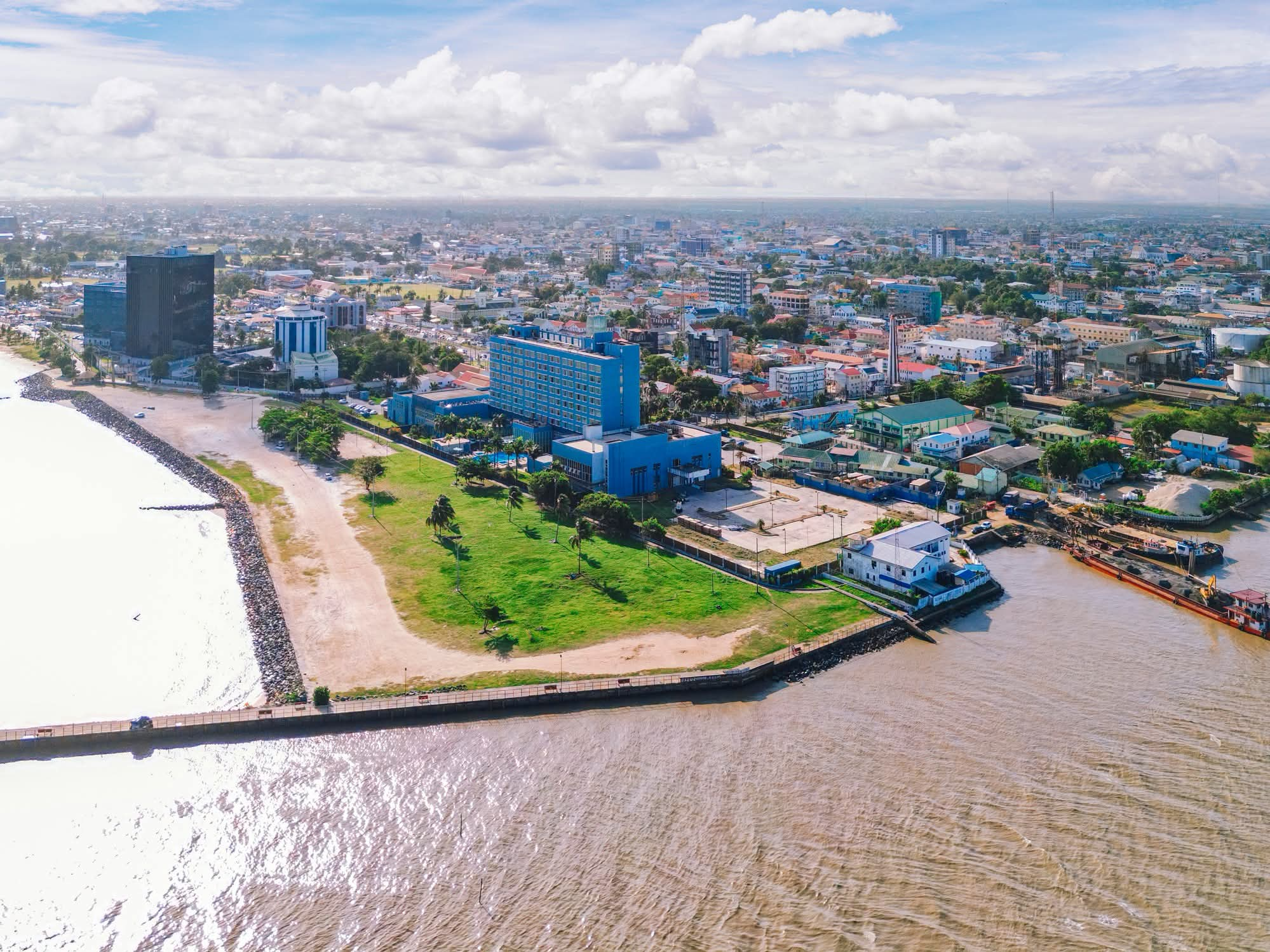

Vice President (VP) Dr Bharrat Jagdeo has outlined the Government’s plans to address challenges affecting businesses, including electricity reliability and costs, labour shortages, and access to foreign currency, while accelerating efforts to diversify Guyana’s economy beyond oil and gas.
Jagdeo addressed these issues on Thursday while delivering remarks at the Guyana Manufacturing and Services Association’s (GMSA) 31st Annual Presentation Awards Ceremony at the Guyana Marriott Hotel, Kingston.
He said the Government was aware of the concerns being raised by manufacturers and other members of the business community, particularly as the economy expands and companies seek to capitalise on new opportunities.
“The three things that I hear the most that affect people are, one, the reliability of electricity and the cost of it, labour shortages, and sometimes the unavailability of foreign currency when you need it,” he said.
According to the VP, while oil and gas investments have generated significant revenue and business opportunities, the sector does not create employment on the scale required to sustain the country’s long-term economic development.
He said the Government was therefore beginning to plan for a post-oil and gas economy by identifying smaller industries with the potential to generate exports, replace imports, and create employment.
These sectors, he explained, could involve investments ranging from US$20 million to US$50 million, but would generate substantial employment and linkages with other areas of the economy.
Jagdeo said a major challenge was ensuring that the benefits of economic growth were extended beyond Georgetown and Regions Three and Four, where much of the new investment is concentrated.
He noted that several other regions, including hinterland communities and Berbice, continued to operate largely within the traditional economy, while residents faced rising costs associated with the country’s changing economic circumstances.
The Government, he said, was examining ways to introduce new economic activities in these areas, including the proposed gas development in Berbice, while providing incentives to encourage private investment.
He pointed to preferential tax incentives, Government co-investment, and infrastructure development as measures being pursued to make investment outside the main urban centres more attractive.
The VP also identified inflation as another major concern, saying the Government had to maintain price stability while managing the pressures created by increased Public and Private Sector spending.
He said that Guyana’s inflation rate remained below the global and Latin American and Caribbean averages, between 2019 and 2026, based on International Monetary Fund (IMF) figures.
This, he noted, was achieved despite Government expenditure increasing nearly fourfold, alongside a significant expansion in Private Sector credit and investment.
Jagdeo explained that these developments had increased demand in the economy, placing pressure on wages and the cost of construction materials, while higher international freight costs and other external factors contributed to imported inflation.
He also pointed to exchange rate expectations and rising property prices as additional sources of inflationary pressure.
The VP said the Government had sought to contain some of these pressures by maintaining utility rates and other essential service costs at 2020 levels while removing taxes on fuel.
He disclosed that the removal of fuel taxes represented approximately $8 billion annually in foregone revenue.
However, he acknowledged that managing inflation would become increasingly challenging, particularly since conventional measures such as raising interest rates could affect Private Sector investment and make home ownership more difficult.
“We have to battle inflation but without the conventional tools that we use to battle it,” he said.
Jagdeo also sought to explain how public expenditure was being directed, pointing to increased allocations for education, healthcare, housing and infrastructure.
He said education spending had increased from $52 billion in 2019 to $183 billion in the 2026 budget, while healthcare expenditure had risen from $25 billion to $161 billion over the same period.
The healthcare allocation, he said, was supporting the development of infrastructure, including 12 new hospitals and improvements to services across the country.
Housing expenditure, meanwhile, increased from $654 million in 2019 to $159 billion this year. Jagdeo said 59,000 households had already been allocated house lots, with another 30,000 being worked on.
He said nearly $600 billion had been spent on the housing programme over the past six years, noting that the initiative was helping more families acquire their own homes while increasing the country’s housing supply.
On infrastructure, he said expenditure had moved from $37 billion in 2019 to $233 billion this year.
Among the works undertaken were 4770 kilometres (km) of community roads, 480km of roads in housing schemes, 431km of farm-to-market roads, and 2776km of hinterland roads.
Jagdeo said the scale of infrastructure investment was necessary to keep pace with the country’s growing vehicle population and economic activity.
Turning to foreign currency availability, he explained that the sharp increase in imports was placing additional demands on the local foreign exchange market.
He said imports of consumption goods had increased from US$510 million annually in 2019 to US$1.1 billion, while intermediate goods imports had risen from US$1.4 billion to US$3.1 billion.
Imports of agricultural machinery had also increased significantly, moving from US$30 million in 2019 to US$306 million last year. For this year, imports have stood at US$269 million so far.
Overall, Guyana’s imports had increased from approximately US$4 billion to about US$10 billion, creating greater demand for foreign currency.
Jagdeo said the increased demand was partly linked to local businesses investing in machinery and equipment, with more companies now able to finance purchases through domestic banks rather than relying solely on overseas financing.
He said the Government was working to increase the supply of foreign currency to the market by financing a greater proportion of its expenditure from its own resources.
The Government, he disclosed, is expected to supply approximately US$2.5 billion directly to the market this year and is looking to more than double that amount next year.
He said this should help ease pressure on the foreign exchange market, although the Government would continue monitoring demand and addressing instances where foreign currency was not being directed towards genuine business requirements.
Jagdeo added that demand for foreign currency associated with major capital investments was expected to ease over time, since machinery and factory equipment purchased today would not have to be replaced annually.
He said the Government was carefully managing the current pressures while preparing the economy for a period when the initial wave of major investments would begin to subside.
Discover more from INews Guyana
Subscribe to get the latest posts sent to your email.
Related News
High Court Judge denies interim bail for LOO
Guyana urges more major French companies to establish presence in Guyana

Foreign ganja found in barrel shipped from USA at GNSC wharf