Iran warns of unfettered retaliation if attacked as mediators try for peace
 31 October 2026
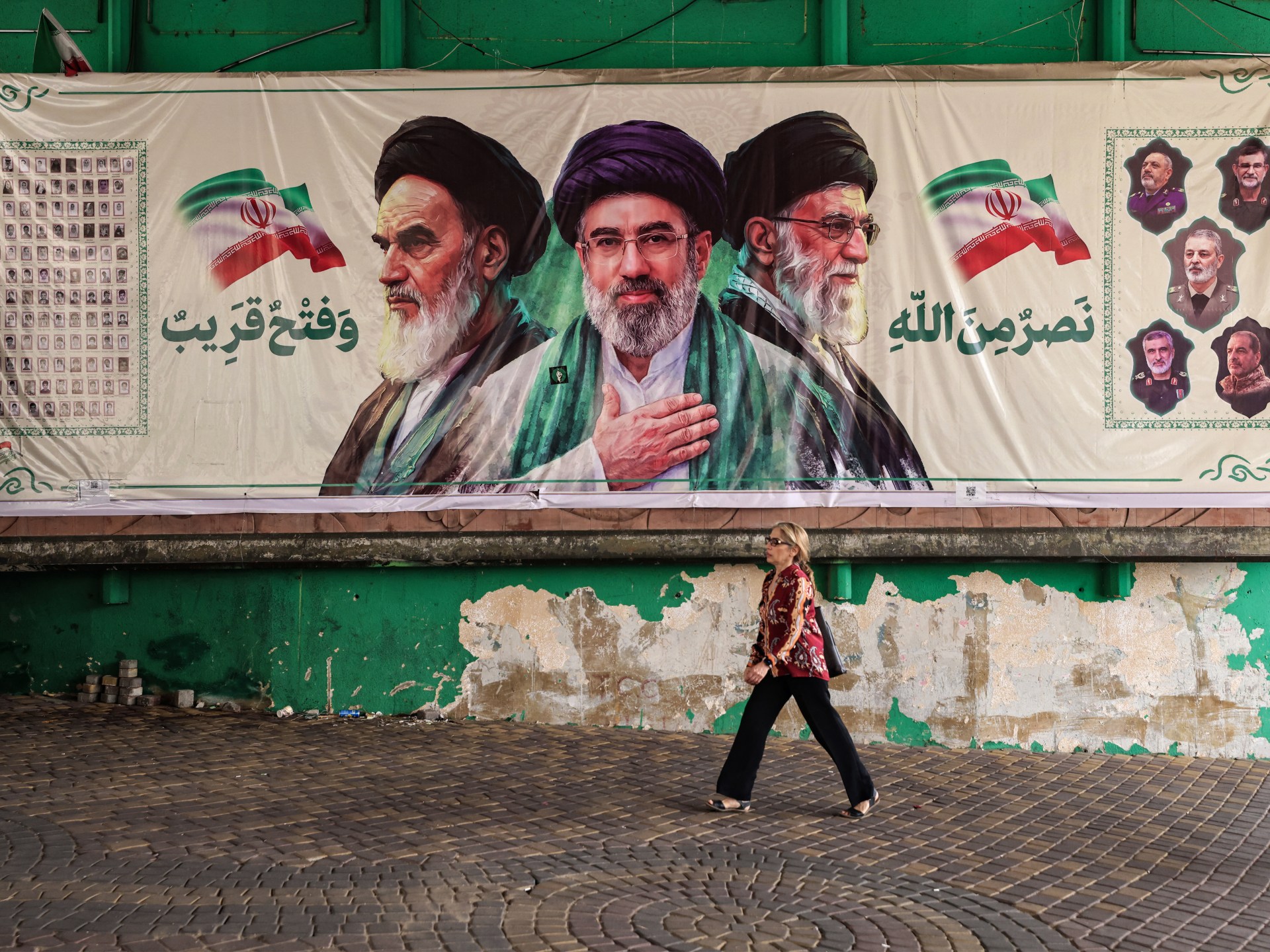

Tehran, Iran – Supreme Leader Mojtaba Khamenei has issued a strongly worded message to the Iranian armed forces, as mediators continue to try to prevent a new breakout of war between Iran and the United States.
Senior diplomats from Qatar held extensive talks in Tehran on Friday, with further talks expected to take place on Saturday.
- list 1 of 4What can a global strike of dockworkers achieve for Gaza?
- list 2 of 4Qatari officials in Iran in bid to revive ceasefire deal with US
- list 3 of 4Are Houthis using Russian satellites as Saudi Arabia fends off strikes?
- list 4 of 4Can Democrats win the US Senate? 10 key midterm races to watch
end of list
Iranian authorities say they are prepared to respond forcefully amid reports that the US and Israel are preparing for new strikes on Iran.
The office of Iran’s Supreme Leader, Khamenei, who has not been seen or heard from since replacing his assassinated father, Ayatollah Ali Khamenei, in March, said on Saturday that he met with senior military commanders and gave them “important strategic directives”.
Khamenei required “maximum deterrence” through preparedness for “an immediate and effective response, without geographical restriction” if the country is attacked again, according to a statement released by the office.
It comes days after US Vice President JD Vance wrote a letter to Tehran, reportedly addressed to Mohsen Rezaei, the Supreme National Security Council leader who has become a central power in strategic decision-making in Iran despite failing over decades to garner enough votes for public office.
Exact details of the letter are unclear, but Vance is believed to have called for nuclear commitments from Iran, including allowing international inspectors to monitor the country’s nuclear programme and determining the fate of Iran’s highly enriched uranium, which Tehran has said will not be shipped abroad.
Advertisement
Talks
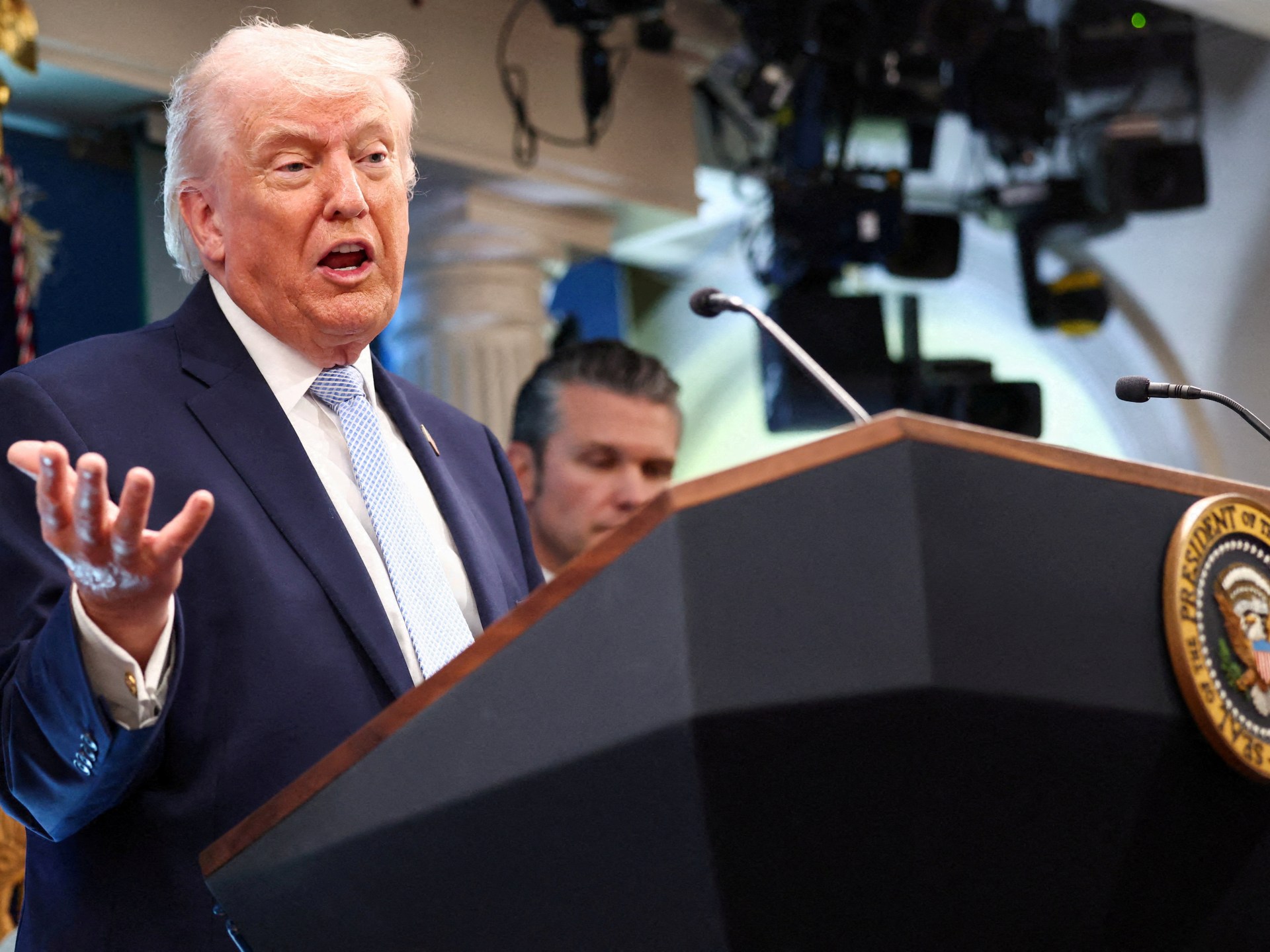
US President Donald Trump earlier rejected reports that he had ordered renewed peace talks, instead claiming without elaborating that the Vance letter was concerned with allowing medical supplies into Iran.
According to Iranian media, Tehran’s proposal to reopen the Strait of Hormuz within several days in exchange for a return to the June memorandum of understanding still remains the baseline for the mediated negotiations.
Tehran’s demands include the lifting of a US maritime blockade on Iranian ports, waivers on oil sanctions, and a truce for regional conflicts, including in Lebanon where Israeli forces continue to occupy the country’s south.
Local media confirmed that Iran received the letter, although they did not say whether any official response has been given through mediators.
An Iranian state-linked Jomhouri-e Eslami (“Islamic Republic”) newspaper published an editorial on Saturday saying that even though the chances of reaching an agreement with the US were slim and fighting could break out after the US midterm elections on November 3, it was still imperative to give a positive response to negotiations and meetings over the coming days.
“We must not allow war to be accepted as the inescapable fate for Iran,” it said.
Iran and the US have kept up their attempts to assert control in the Strait of Hormuz. The IRGC has continued attacking ships and warns of a lingering threat from alleged naval mines. The US military provides guidance and cover for a shuttle system to get oil from Arab states out of the waterway.
Local authorities reported on Saturday afternoon that two fishing boats were bombed by a US drone south of Qeshm island in southern Iran, wounding several fishermen.
Iranian state television claimed late on Friday that at least six tankers, including a very large crude carrier bearing two million barrels of oil, were damaged by explosions after allegedly hitting mines in recent days while transiting “unauthorised” routes in the strait. It also released footage recorded from a small boat close to a larger vessel that was dealing with a fire.
The United Kingdom Maritime Trade Operations (UKMTO) on Friday reported a new type of attack that occurred a day earlier. It said a tanker was approached by a small boat which attached two explosive devices to the hull above the waterline, resulting in a blast that caused a fire in the engine room and temporarily disabled the vessel northeast of Oman’s Khasab.
The maritime monitor said it recorded 155 inbound and 122 outbound transits through the Strait of Hormuz in the week ending October 28, which was 70 percent lower than pre-war levels.
Advertisement
In a video message on Friday, US Central Command chief Brad Cooper said he flew over the strait and saw dozens of vessels carrying cargo, crude oil and liquid natural gas while being supported by US aircraft and sea drones.
“I didn’t see the IRGC out there at all,” he said. “They patrolled the Strait of Hormuz and surrounding waters for decades, harassing and threatening and seizing commercial vessels at will. But they were not out there because Iran’s navy is all at the bottom of the sea.”
‘Red lines a thing of the past’
The rhetoric coming from Tehran has only hardened after eight months of war. In line with Khamenei’s Saturday statement, army spokesman Mohammad Akraminia warned the Trump administration against attacking Iran.
“If the US president once more embarks on adventurism in the region through threats and greed of the Zionists, the fire of war will undoubtedly engulf a wider geography,” he said, in reference to Israel.
Other senior officials took aim at Washington’s European allies, who expressed backing for both the US-Israeli offensive on February 28 and last year’s 12-day war.
After German Chancellor Friedrich Merz said the costs of war had exceeded 100 billion euros for Europe over the past eight months. Iran’s security chief Rezaei said Europe was “whining” now even though it cheered the war earlier.
“When you cheered on war crimes, did you think the fallout wouldn’t hit you, too? War and terror come at a price. Now it’s your turn to pay,” he wrote on X.
Iran’s Foreign Minister Abbas Araghchi also reminded that Merz had celebrated Israel and the US “doing the dirty work” for Europe during last year’s war.
“100bn Euro is nothing compared to the Earth-shattering blow Iran’s Powerful Armed Forces will deal against those who dare harm our people,” he wrote. “Red lines are a thing of the past”.
US Senator Chris Murphy said earlier this week that he had a meeting with senior officials about what a short and blistering US military campaign would look like if the war resumes.
“Their plan is insane. It will lead to devastating escalation and the likely destruction of our commitment to the rule of law,” he said.
Eric Brewer, deputy vice president for the Nuclear Materials Security Program for the US-based Nuclear Threat Initiative, said it is entirely unclear what would be achieved through extensive air strikes against Iran’s infrastructure, considering that Trump earlier this week bemoaned that Iran has focused on rebuilding after earlier attacks.
“There is no military solution for remaining nuclear sites [Pickaxe, Esfahan tunnels], and the program remains generally paused. Striking energy targets is unlikely to cause Iran to capitulate to US negotiating demands,” he wrote on X, adding that Iran will also retaliate across the region if attacked.
“They will aim to make the war not just more painful for the US and its partners, but longer than we would prefer,” Brewer said. “The risks of this operation far exceed any gains.”
Related News
Israel election double standard: Arab leader forced out, far right cleared
Pro-Imran Khan mass rally launched after Pakistan government talks fail
Thousands rally for biggest protest in years against Tunisia’s Saied