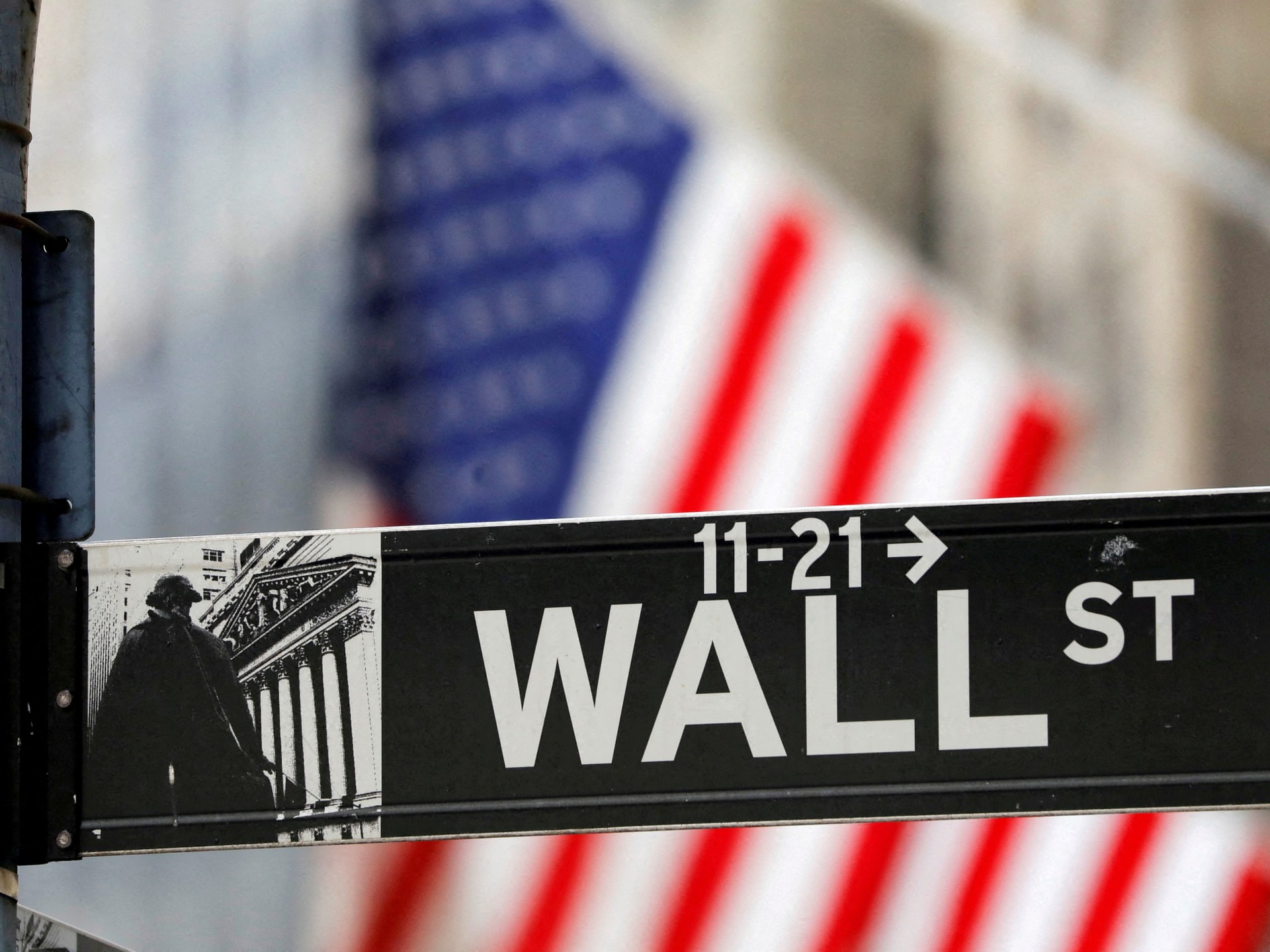

Global stocks have come under pressure and Brent crude oil surpassed $100 a barrel as escalating fighting across the Middle East stokes fears of energy-driven inflation.
The benchmark crude contract rose to $100.19 on Wednesday, its highest level since July 24, when a memorandum of understanding between the United States and Iran was in place, and its price was on the downswing.
- list 1 of 3Yemen’s war is back: A new battle for Sanaa and the Red Sea
- list 2 of 3US, Iran engaged in tanker war: Where is the months-long conflict headed?
- list 3 of 3Saudi-Houthi fighting in Yemen escalates: What happened, and what’s next?
end of list
The US military attacked five Iranian crude oil carriers overnight, with Iran retaliating with missile attacks on US forces in Jordan and attacks on shipping.
US Secretary of State Marco Rubio said Washington would keep hitting Iranian oil tankers in response to attempted attacks on US warships.
Wall Street’s three main stock indexes – the S&P, Dow and Nasdaq – each saw small losses. European stocks dropped to one-week lows, with industrial and banking stocks hit the worst. Canada’s blue-chip stock futures also inched down.
Asian markets fluctuated, although technology shares continued to climb back from a July low, driven by the artificial intelligence boom.
Ipek Ozkardeskaya, a senior analyst at Swissquote, told Reuters that risk appetite remained weak due to rising oil prices from the war.
“Summer was full of hope that a peace agreement could be achieved,” he said. “This optimism is fading as we enter September.”
Manish Kabra, a multi-asset strategist at Societe Generale, said $100 was a “psychological threshold” rather than an economic one.
“We think crude needs to hit $150 to create a major drawback in demand cycle,” he said. Rising diesel prices could feed into inflation and services, he added.
Advertisement
The surge in oil prices has added to concerns that higher inflation will lead central banks to adopt more restrained monetary policies.
The European Central Bank is expected to hike interest rates on Thursday, and next week the US Federal Reserve will meet to determine whether they will do the same.
Bond markets are feeling the strain as well. Inflation concerns have raised yields in recent weeks as traders anticipate central bank tightening.
Since the US and Iran resumed attacks on each other at the end of August, benchmark bonds in the US, Japan and some European countries have seen multidecade-high yields, raising concerns over government borrowing costs and the health of global financial institutions.
Related News
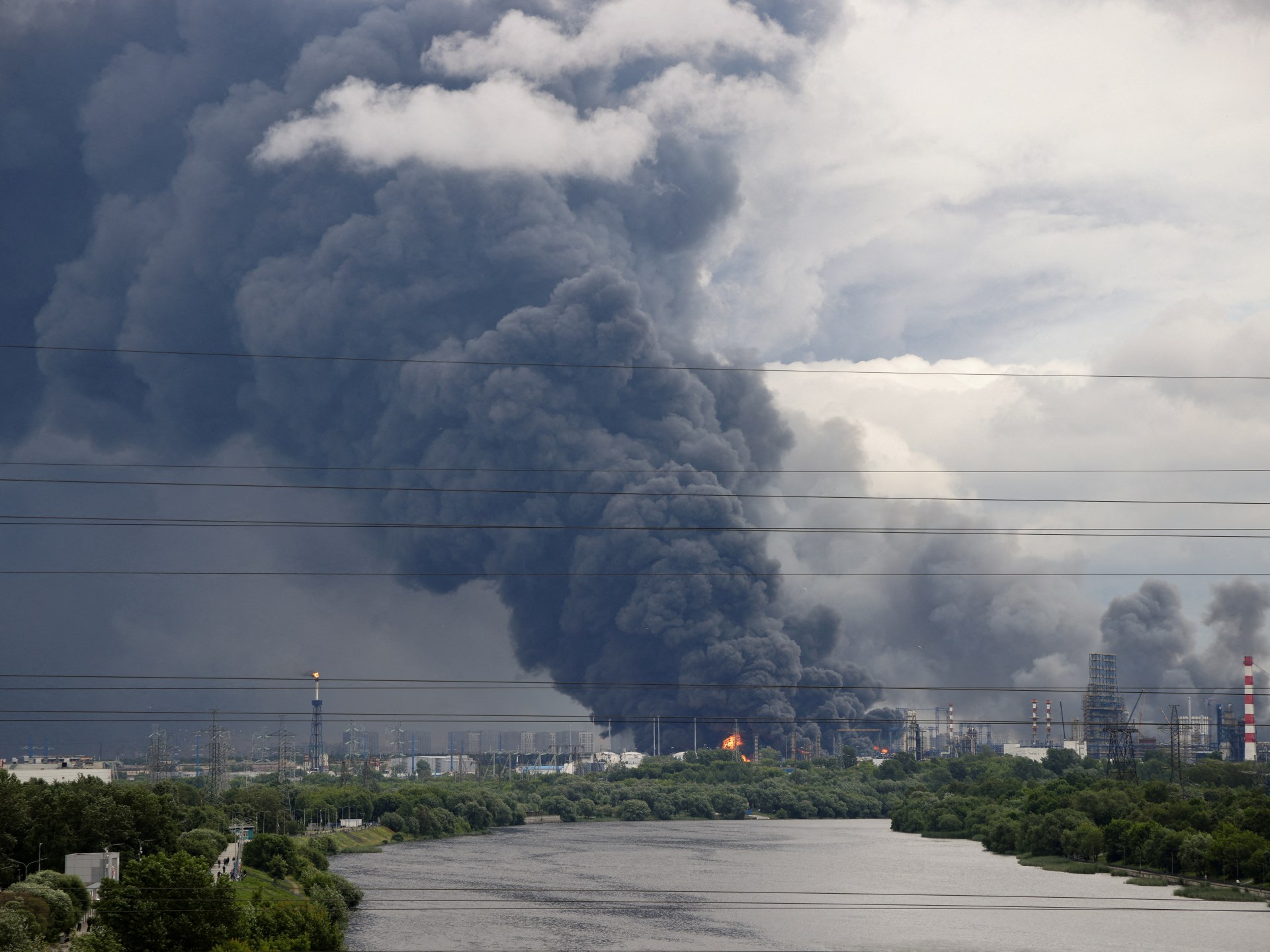
Two killed, refinery on fire in Russia’s Krasnodar after drone attack

US Postal Service shares mail-in ballot restrictions despite court ruling

Ousted UK Prime Minister Keir Starmer to quit domestic politics