
The United States has spent $12bn on its war against Iran since launching joint strikes on the country with Israel on February 28, Trump’s top economic adviser said, as domestic concerns grow over the Middle East conflict’s burgeoning economic impacts.
Kevin Hassett, director of the White House National Economic Council, gave the figure on CBS’s Face the Nation on Sunday saying it is the latest he’s been briefed on so far.
- list 1 of 4Strategic oil release may calm markets but cannot fix Hormuz disruption
- list 2 of 4Iran’s ambassador to Saudi Arabia denies attacks on its oil facilities
- list 3 of 4US Senator Van Hollen: Trump ‘has no idea where this war is going’
- list 4 of 4A dozen arrests as hundreds attend Al-Quds Day rally in London
end of list
He was forced to clarify mid-interview after initially appearing to present it as a projected total for the entire war. CBS anchor Margaret Brennan noted more than $5bn in munitions alone was spent in the first week, a challenge Hassett did not directly address.
Hassett was nonetheless dismissive of the war’s economic threat to the US. Financial markets pricing future energy contracts, he said, were already anticipating a swift resolution and sharply lower energy prices, contradicting consumer alarm in the US over rising fuel costs at petrol stations.
Markets remain jittery after Iranian threats to the Strait of Hormuz, through which about 20 percent of the world’s oil supplies traverse.
Any disruption to Gulf shipping, he argued, would hurt countries dependent on the region’s oil far more than the US.
“America is not going to have its economy harmed by what the Iranians are doing,” he said, adding that unlike the 1970s, the US is now a major producer. “We have lots and lots of oil.”
Secretary of Defense Pete Hegseth, meanwhile, warned that the bombardment of Iran is “about to surge dramatically”, suggesting the bill is heading in one direction only.
Advertisement
The cost confusion sits alongside the deepening uncertainty about the war’s purpose.
The Trump administration’s statements on the goals of the war have shifted from dismantling Iran’s nuclear programme, to degrading its missiles, to now threatening its oil infrastructure over Strait of Hormuz shipping.
After a classified Senate briefing in early March, Senate Minority Leader Chuck Schumer said he was “truly worried about mission creep”, calling the session “very unsatisfying” and saying that the administration gave “different answers every day” on why the strikes were ordered.
Last week, Senator Chris Van Hollen told Al Jazeera that the US had taken “the lid off Pandora’s box without any idea where this will land”.
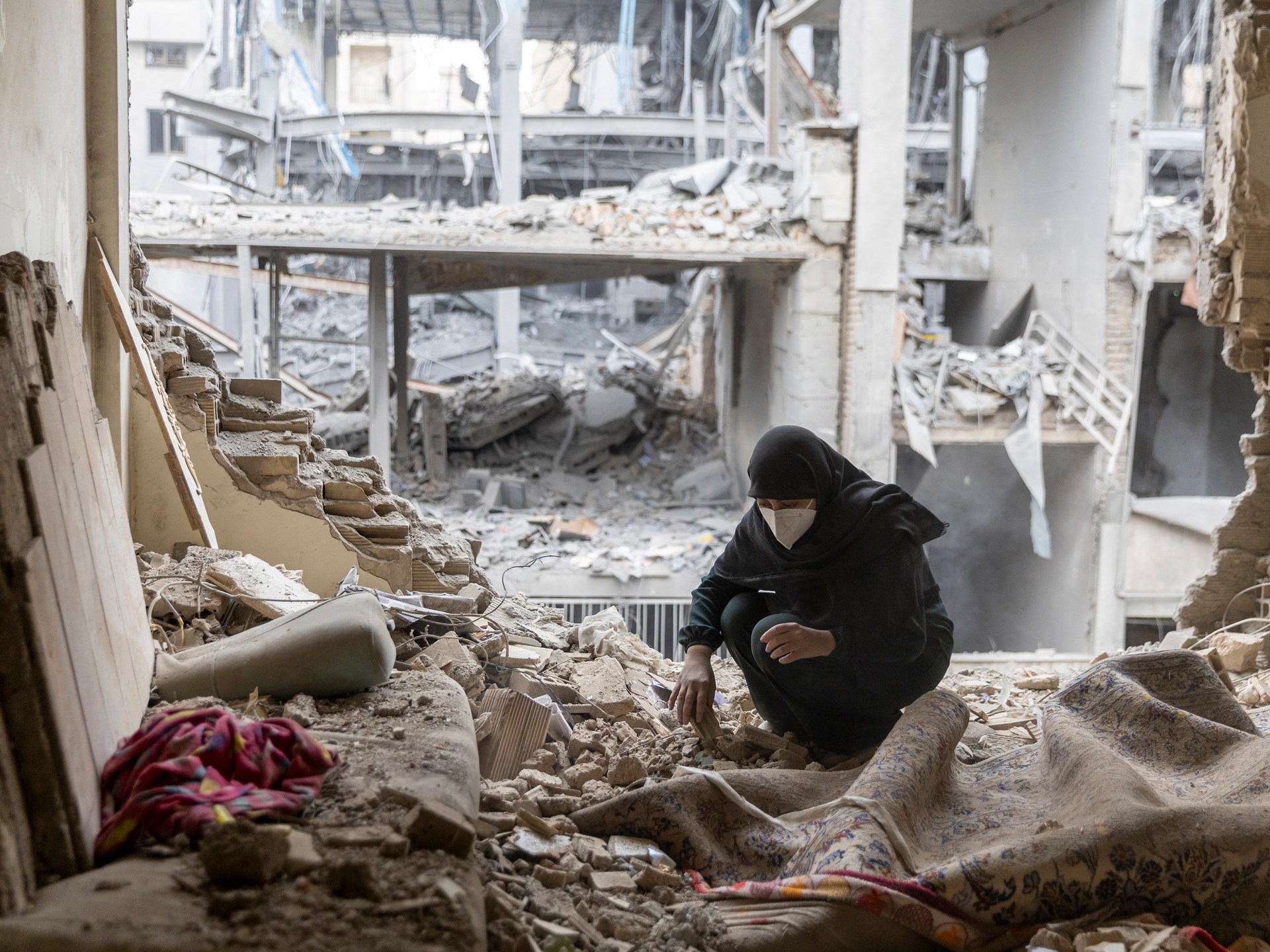
At least 1,444 people have been killed in Iran since strikes began on February 28. Thirteen US soldiers have been killed, and more than 140 have been wounded. The fighting has also spread to Lebanon, and Gulf countries continue to face repeated drone and strikes by Iran.
Some countries, such as India, have begun bypassing Washington to negotiate directly with Tehran on securing safe passage for its tankers through the Strait of Hormuz.
Related News
Air strike kills four Iran-linked fighters in Iraq
China’s key NPC meeting comes to a close as lower growth target set
Trump vows to continue attacks on Iran, says more US troops ‘likely’ to die