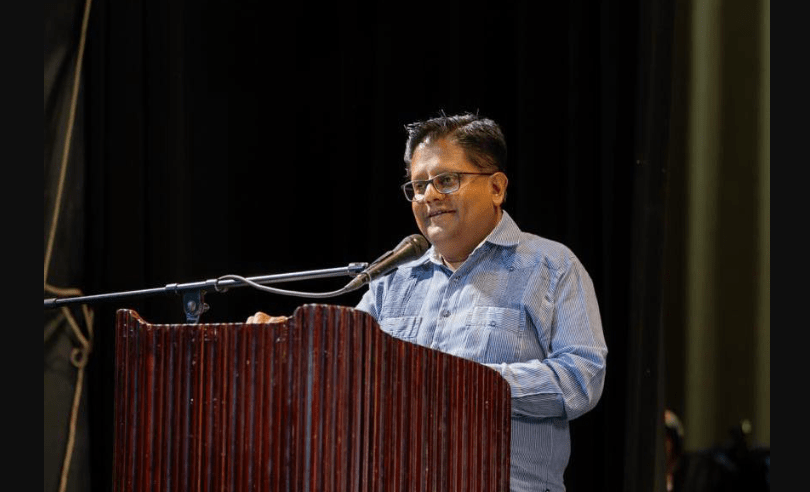
PM Phillips calls for stronger regional cooperation to advance Caribbean aviation safety
 01 October 2026


Prime Minister Brigadier (Ret’d), Mark Phillips, has called for stronger regional cooperation, sustained investment in aviation oversight and greater development of specialized technical capacity to ensure that Caribbean safety systems remain resilient as air travel and operational demands continue to expand.
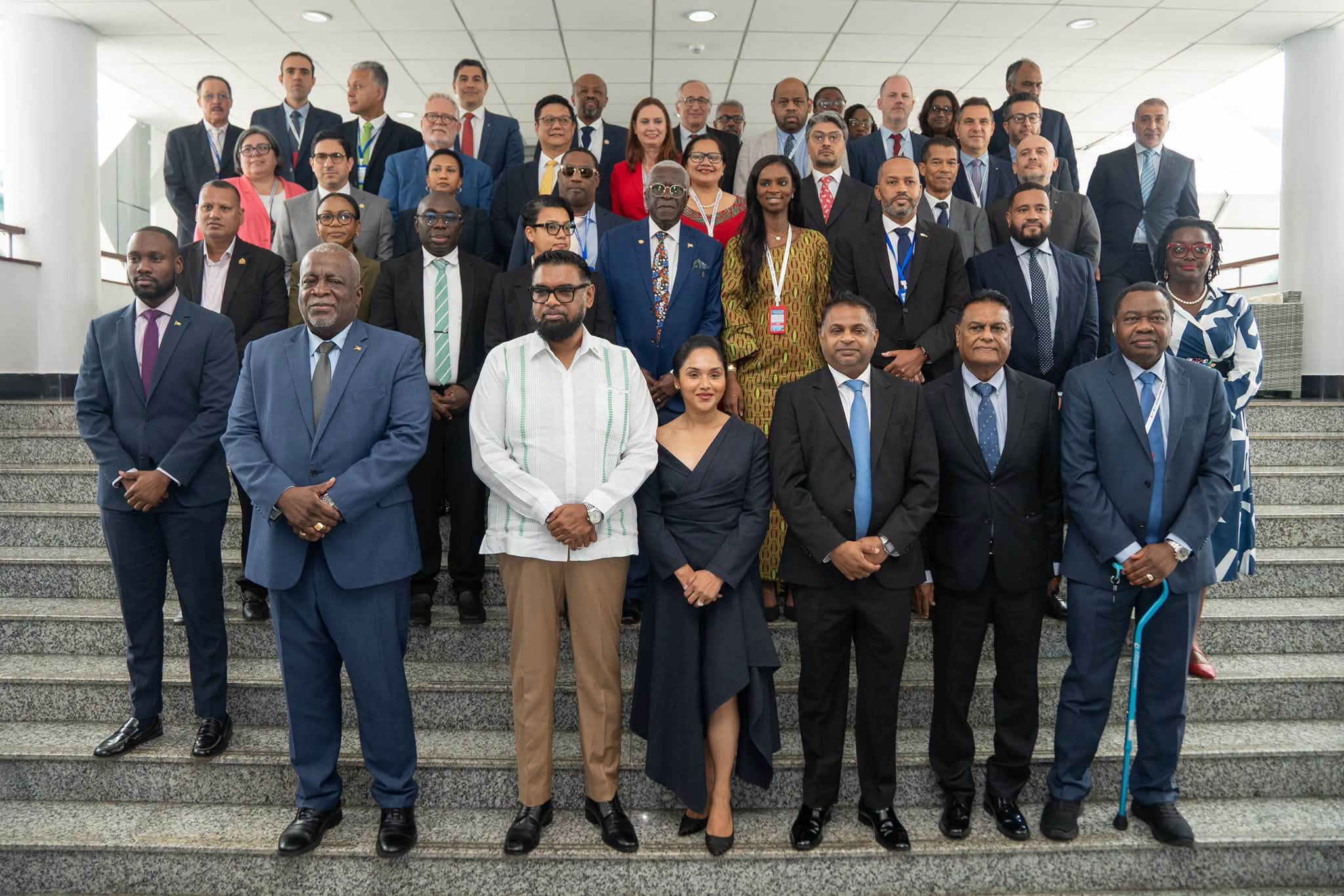
The Prime Minister made the call today while delivering remarks at the opening ceremony of the Caribbean High-Level Symposium on Aviation Safety at the Arthur Chung Conference Centre.
Prime Minister Phillips said the gathering builds on the Caribbean’s longstanding effort to strengthen aviation oversight collectively. He said the need for cooperation has grown even more important as aircraft, routes and operating demands increase. At the same time, individual states continue to face challenges in maintaining the full range of specialized personnel required for effective oversight.
The Honourable Prime Minister underscored the importance of safe and reliable air transport to the Caribbean, where aviation connects families, facilitates access to healthcare, supports tourism and economic activity and, in Guyana, provides critical access to hinterland communities where travel by road or river can take considerably longer.
He pointed to the scale of regional travel, noting that the Caribbean Tourism Organization estimated approximately 35 million international stay-over visits in 2025, while intra-regional travel increased by 5.1 percent.

Turning to Guyana, Prime Minister Phillips highlighted the rapid expansion of the country’s aviation sector and the corresponding pressure being placed on regulators and aviation professionals.
Referring to figures outlined by President Dr Irfaan Ali earlier this week, he noted that international passenger traffic has increased from just over 200,000 to more than one million over the past five years, while domestic passenger traffic has more than doubled. International flights increased by more than 5,000 between 2020 and 2025, while the number of aircraft on the national register grew from 78 to 109.
Prime Minister Phillips said such expansion must be matched by stronger regulatory and institutional capacity. “Our government firmly believes that investment in aviation must include sustained investment in the institutions responsible for its safe operation.”
In this regard, the Prime Minister highlighted the Guyana Civil Aviation Authority (GCAA)’s central role. He said the Government has a responsibility to provide the policy support and resources the Authority needs to discharge its mandate effectively, while respecting the professional judgment required for credible regulation.
Prime Minister Phillips also stressed that effective aviation safety requires more than regulatory frameworks. He pointed to the importance of safe working conditions, hazardous-material procedures, emergency preparedness, fatigue management, and a safety culture in which personnel can identify, and report hazards and regulators have the authority to ensure corrective measures are implemented.
At the regional level, the Prime Minister said CASSOS provides an established mechanism through which Caribbean states can pool expertise, promote greater consistency in licensing, certification, inspection and surveillance, and make more effective use of limited specialized resources.
“Shared specialist expertise can help an authority meet a technical need that it cannot readily staff alone, and joint training can make better use of scarce resources. Greater consistency in standards can also help operators understand their obligations across the region.”
Adding that, “While each state retains responsibility for safety within its jurisdiction, regional cooperation gives it more means to discharge that responsibility.”
PM Phillips also welcomed continued cooperation with ICAO and other international aviation partners, noting that such partnerships should strengthen inspectors, improve regulatory systems and allow regional authorities to assess their practices against international standards.
He urged participants to use the symposium to address practical challenges, including shortages in specialist skills, the recruitment and retention of experienced inspectors, information-sharing among jurisdictions and the resources required to maintain dependable regional oversight as traffic continues to grow.
He emphasized that while much of the work involved in aviation safety takes place beyond public view, passengers must be able to trust that the necessary inspections, systems and safeguards are functioning effectively.
“A passenger may never see an inspection record or know the name of the controller guiding a flight. That passenger has every right to expect that the work has been done. Our responsibility is to make that confidence deserved.”
Subscribe to get the latest posts sent to your email.
Related News
Ganja, 2 undocumented motorcycles found during Police raid
Finance Minister reinforces need for integrated, coordinated action across agrifood systems
GWI, UN collaborate to strengthen water, sanitation services