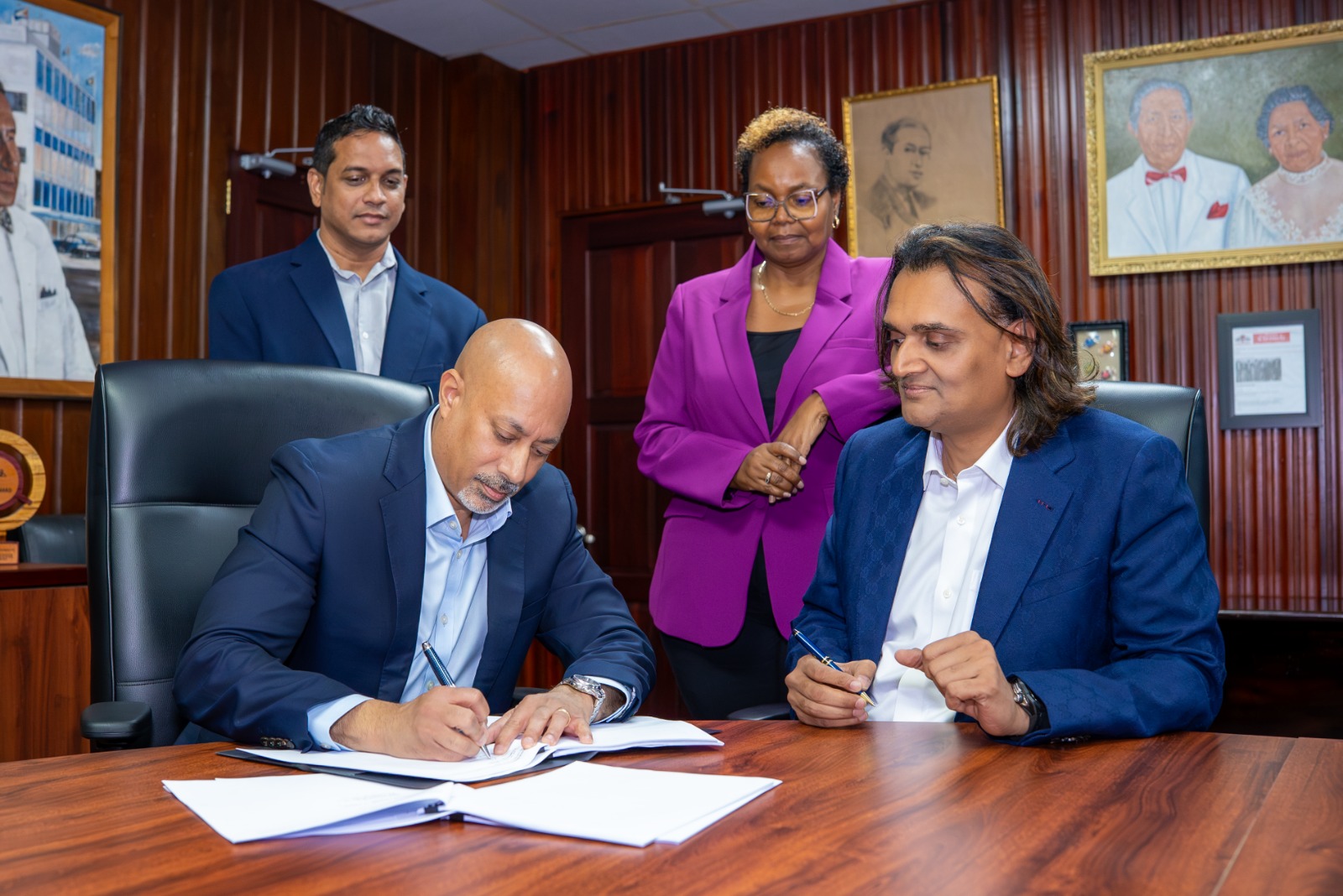
Officials conducting impromptu visits to assess meal quality under National Breakfast Programme
 29 January 2026
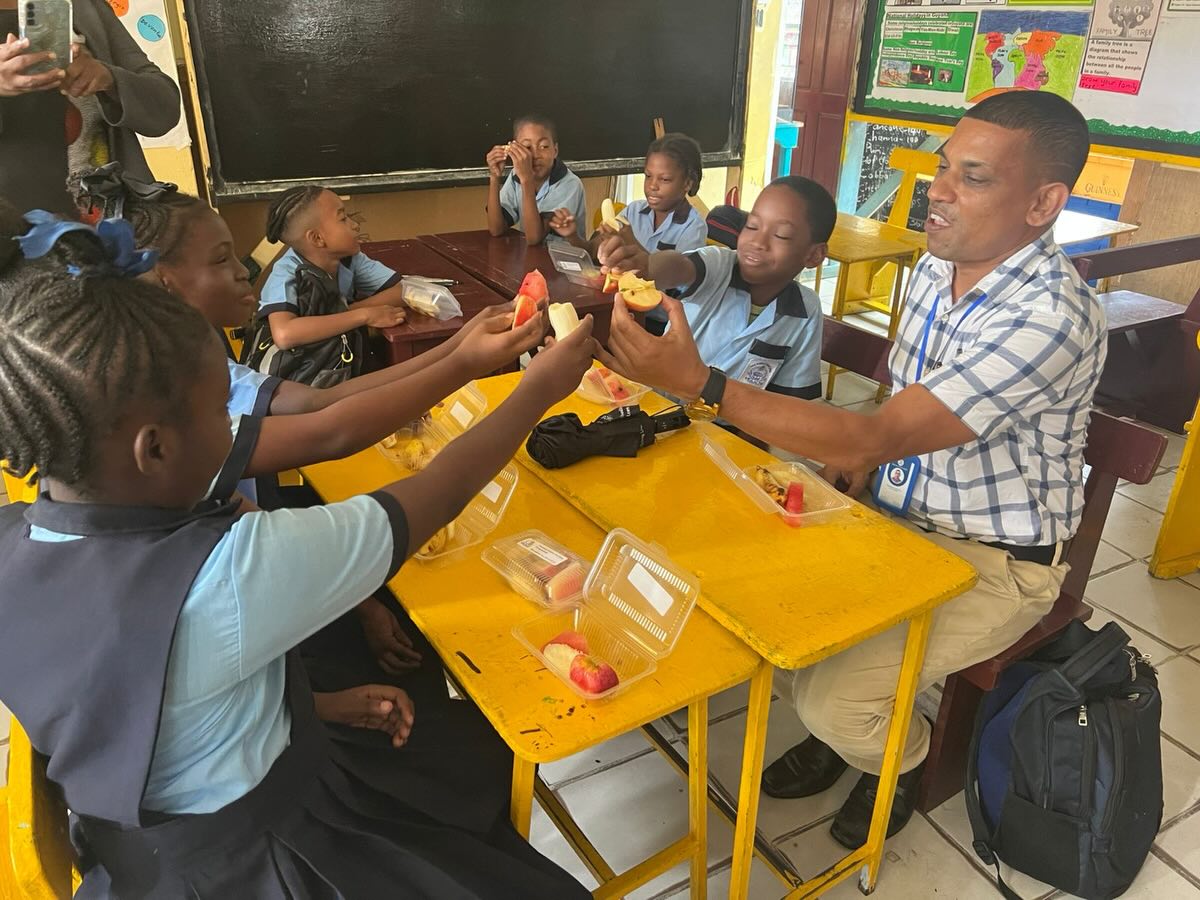


As part of its commitment to providing nutritious meals to students, the Ministry of Education is deploying officials to conduct unannounced visits to schools to ensure that meals under the National Breakfast Programme are prepared in accordance with established nutritional standards.
The ministry noted that where any issues arise, corrective action is taken immediately.
Among the officials deployed are Director of the National Education Center for Educational Resource Development, Ms. Oma Ramdin; Assistant Chief Education Officer – Secondary, Mr. Sherwin Blackman; Assistant Chief Education Officer Devendre Persaud; Director of the School Boards Secretariat, Ms. Volika Jaikishun; Chief Schools’ Inspector, Ms. Renita Barnes; Deputy Chief Education Officer – Administration, Ms. Tiffany Harvey; and Deputy Chief Education Officer (DCEO) for Technical and Vocational Education and Training (TVET), Dr. Ritesh Tularam.
The ministry noted that the meal assessments included focus on freshness, taste, portions, packaging, menu compliance and quality. Additionally, schools were encouraged to establish a properly organised area for the daily storage of the meals prior to distribution to pupils.
If suppliers are not delivering as they should, the ministry is encouraging persons to file reports via 707-1199.
Late last year, Minister of Education Sonia Parag had announced that the ministry will be conducting a full review of the programme to ensure that the nutritional needs of students are met, and that the initiative continues to have an even more profound impact.
In a statement in October 2025, the ministry had explained that at the programme’s relaunch in 2022, a single standardised menu was piloted, however, the lesson quickly learned was that Guyana’s communities differ in supply cycles, day to day availability, and cultural (dietary) preferences.
In some areas, staple items could not be procured consistently, and rigid menus risked leaving students dissatisfied or meals undelivered. To address this, schools now prepare customised menus guided by a master list developed with nutritionists and the Carnegie School of Home Economics and agreed to by the Head teacher. This ensures that meals are nutritious, culturally appropriate, and within the fixed cost per meal, while also taking into account what students will actually eat.
The ministry also explained that oversight of the programme is layered and constant, noting that teachers and headteachers have the authority to accept or reject meals on delivery, with their decision recorded on a tracker sheet. “Headteachers and teachers are also provided with a daily breakfast, serving as a built-in mechanism of tasting and quality control, thereby ensuring that the meals presented to students are identical in quality and content to those received by staff,” the ministry outlined.
The ministry also noted that caterers’ kitchens are inspected without notice each term, and all caterers must maintain valid Food Handler’s Certificates monitored by sanitary officers.
To date, the programme supports more than 388 caters, 95% of whom are women.
Subscribe to get the latest posts sent to your email.
Related News

Govt focused on improving quality of national events – Rodrigues

Efforts still being made to apprehend suspect in murder of Bartica miner - police

Removal of residency requirement for destination weddings creates new income opportunities...