Guyana’s mangrove extent increased by 31% to over 25,600 hectares in 2025 – Agriculture Minister
 26 July 2026


SEE BELOW FOR A MESSAGE FROM MINISTER OF AGRICULTURE, ZULFIKAR MUSTAPHA, ON:
International Day for the Conservation of the Mangrove Ecosystem
July 26, 2026

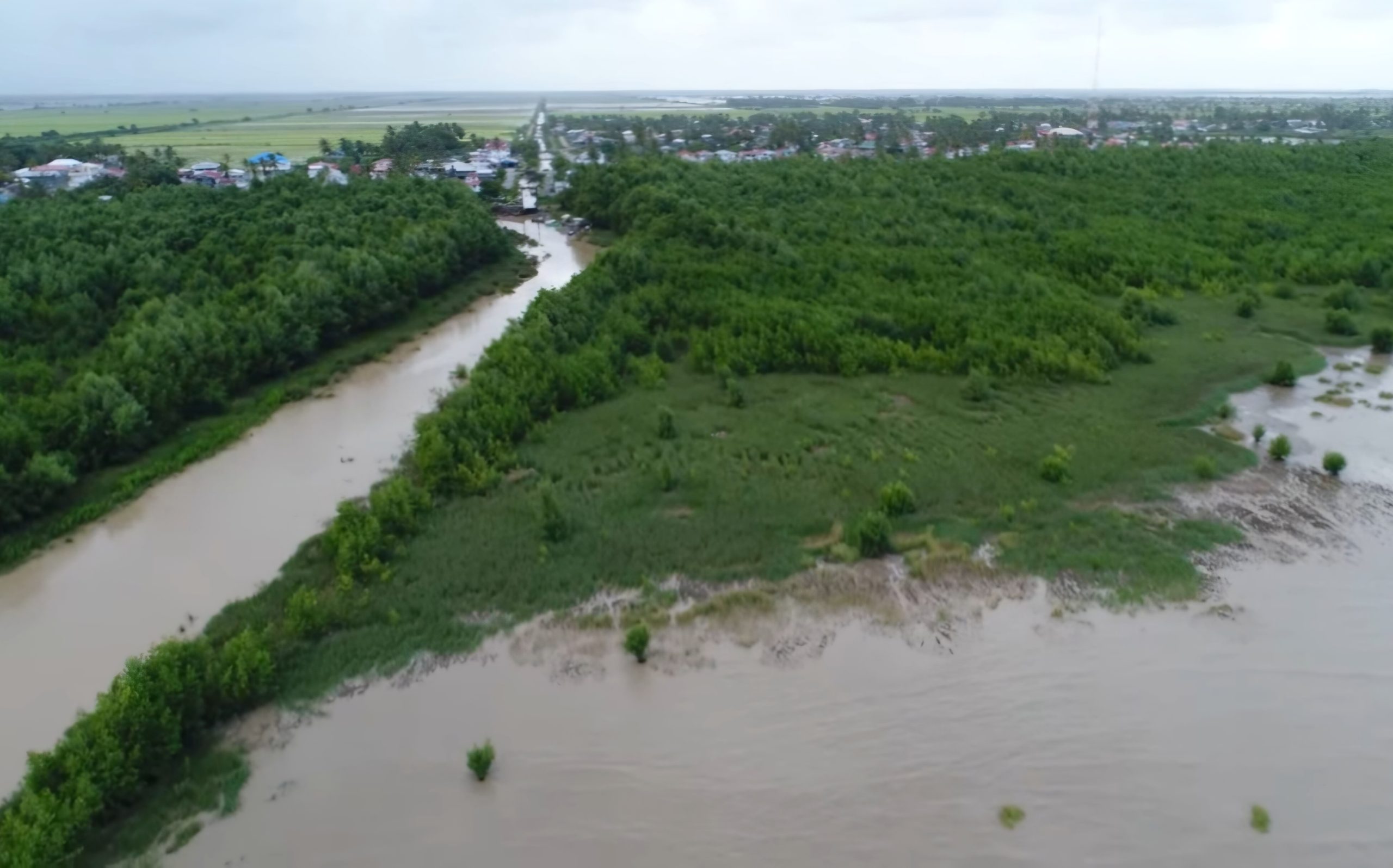
As Guyana joins the international community in observing the International Day for the Conservation of the Mangrove Ecosystem, I wish to begin by recognizing the quiet, essential service our mangrove provide. They stand between our communities and the Atlantic, holding mud, softening waves and offering young fish, birds and crabs places to feed and shelter. We pass them often without notice, yet they continue their work all the same, for us.
For a low-lying coastal nation, that quiet work is indispensable. Mangroves are part green shield, part nursery and part storehouse for carbon. They support fisheries and coastal livelihoods, shelter wildlife and steady vulnerable shorelines. Without them, our coast would be more and far less able to cope with a changing climate. This is why mangrove protection sits naturally within Guyana’s Low Carbon Development Strategy 2030.
The Government of Guyana has backed that understanding with investment. In recent years, nearly GYD $1 billion has been invested in mangrove management and restoration. Eleven (11) green-grey infrastructure projects have been completed across Regions 2, 4 and 5, benefiting more than 11,000 people. Those aren’t abstract figures. They speak to more secure shorelines near homes, farms, roads and the places where people earn a living.
The latest national mapping tells a hopeful story, but not a simple one. Mangrove extent increased from 19,616 hectares in 2020 to 25,644 hectares in 2025 – a net gain of 6,028 hectares, or about 31 per cent.
Overall gains were recorded in Regions 1, 3, 4, 5 and 6. Region 2 moved in the other direction, declining from 4,966 hectares to 3,567 hectares, a loss of 1,399 hectares. The national total also fell from 24,517 hectares in 2023 to 22,799 hectares in 2024 before rising again in 2025. Good news overall? Yes. A reason to become comfortable? No. The coast changes, and our vigilance has to change with it.
That is why the work led by the National Agricultural Research and Extension Institute (NAREI), together with the Mangrove Management Action Network, matters so much. Science, engineering, policy and community knowledge must speak to each other. Through the Guyana Mangrove Information System, GuyMIS, we can track changes and guide restoration more carefully. Not every loss is obvious from the roadside. Sometimes the map tells the story first.
A plastic bottle caught between mangrove roots may seem like a small thing. Yet it reminds us of a larger truth — about what we discard, how far it travels, and what our coastline is being asked to bear.
And here’s the uncomfortable part. We can invest in groynes, breakwaters, planting and monitoring, but if garbage is being pushed into drains, canals, kokers and waterways, we are working against ourselves.
Waste discarded inland doesn’t simply disappear. It travels. It reaches the coast. It settles among the roots. We can’t plant our way out of a dumping problem. 2026 coastal assessment: Visible waste was recorded at 53 of 60 locations assessed across Regions 2 to 6. Plastic packaging was present at 51 of the 53 affected locations.
Numbers can feel distant until we picture what they mean: a food container lodged around a young seedling, a plastic bag moving with the tide, a broken appliance left at the edge of a waterway. Garbage can smother young mangroves, obstruct water flow, injure wildlife and reduce the quality of fish and bird habitats. Blocked drains can worsen local flooding too. And, quite simply, no community should have to accept a coastline treated as a dump.
What can one household do? Plenty. Use approved disposal services. Secure bags and bins. Keep waste out of drains and waterways. Reduce single-use plastics where possible. It sounds simple and, really, it is. But simple habits, repeated every day, change what eventually reaches the ocean.
Businesses must manage their waste responsibly. Communities, schools and local authorities can organise clean-ups, strengthen public education and report illegal dumping. And yes, the tide carries waste from one place to another. But tides don’t create our disposal habits. That part belongs to us.
The Government will continue supporting restoration, coastal monitoring, environmental education and community partnerships. We will keep working with the relevant agencies and local stakeholders to improve waste management and strengthen care for mangrove areas. This work belongs to all of us, and that isn’t an excuse to spread responsibility so thin that no one feels it. Each person, each business and each agency has a part.
The next time we pass a bottle in a drain or a bag caught on a mangrove root, we should not see somebody else’s problem. We should see a choice still waiting to be made. Our mangroves protect our coast. Our choices must protect our mangroves.
Our Mangroves. Our Coast. Our Future.
Subscribe to get the latest posts sent to your email.
Related News
Govt commissions $1B Tunnel Ventilated Poultry Pens Project at Mon Repos
Fireman, teacher fined $100k each for drunk driving
Cuban national killed while attempting to cross BJDRB access road