Guyana heightens bird flu surveillance as Suriname outbreak kills 5000 chickens
 02 October 2026
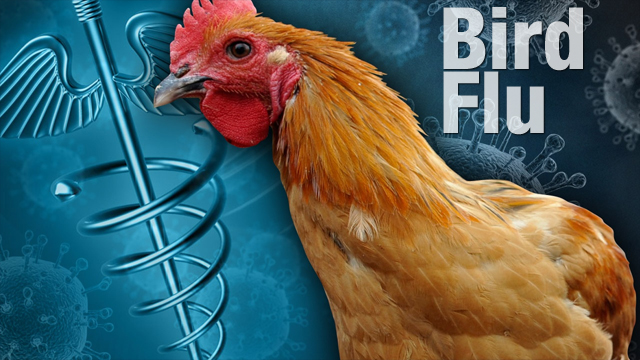


The Guyana Government is on high alert following an outbreak of bird flu in neighbouring Suriname, with Agriculture Minister Zulfikar Mustapha saying that surveillance systems have been heightened locally to prevent any contamination here.
Based on reports coming out of the Dutch-speaking nation, more than 5000 chickens have died due to the avian influenza outbreak at a farm in Paramaribo.
During a recent interview, Mustapha told the Inews that Suriname had reported the outbreak to the World Organisation for Animal Health (WOAH), which, in turn, alerted Member States, including Guyana.
According to the agriculture minister, a series of precautionary measures have already been taken locally to guard against the poultry virus spreading here. “I already set up a multi-stakeholder body that is monitoring the situation in Guyana. We are strengthening surveillance systems, we are strengthening quarantine at border entrances, and we have been working around the clock to ensure that our system is not contaminated,” he declared.
Moreover, Mustapha noted that a hotline has been set up for poultry farmers to report any signs or suspicious signs of an infection. Additionally, extension services have been enhanced through the Guyana Livestock Development Authority (GLDA).
“We have [heightened] extension services around the country in terms of inspection, and so, there will be more regular extension checks around the country,” the agriculture minister asserted.
According to reports coming out of Paramaribo, the avian influenza, type H5, was laboratory-confirmed in broiler chickens at a poultry farm in Wanica District. Dutch authorities have since culled farms, disinfected contact locations and launched inspections as investigations continue to determine which virus variant is circulating in the neighbouring country.
Local news agency Key News Suriname reported that some 6000 broiler chickens were present at the affected farm. It said after an unusually high mortality was reported, sick animals were sampled on September 17 – by which time almost 5000 chickens had already died.
Following the confirmation of the outbreak, the remaining 1000 animals at the farm were culled. Surinamese authorities say it is unclear how the virus entered the country. They are working with the Pan American Health Organization (PAHO) to send samples to a foreign laboratory for furthering typing and genetic testing, according to the news agency.
Closely monitoring
Meanwhile, the Government of Suriname is closely monitoring the risks the virus is posing to human health, though samples from exposed personnel on the farm have come back negative for human infection.
While avian influenza can be transmitted from infected animals to humans under certain circumstances, such as direct or indirect contact with sick animals, carcasses, droppings or contaminated surfaces, PAHO reports that sustained human-to-human transmission of avian influenza has not been demonstrated so far.
PAHO also states that there is no evidence that avian influenza is transmitted to humans through properly prepared and fully cooked poultry meat or eggs. Good kitchen hygiene remains important for consumers, the new article stated.
Nevertheless, this bird flu outbreak in neighbouring Suriname comes on the heels of local poultry farmers complaining of an apparent chicken shortage, forcing the Agriculture Ministry to approve the temporary importation of some 330,000 pounds of chicken weekly to increase supply and stabilise prices.
Back in July, the Guyana Poultry Producers Association (GPPA) representatives had noted during an engagement with the agriculture minister that the temporary importation of chicken would assist in maintaining stable market prices during the period of reduced supply. They had assured that once local production returns to normal levels, there would be no need for continued imports.
Meanwhile, in light of these developments regarding supply, the Government has recently taken an initiative to increase poultry production across the country with the launch of its Tunnel Ventilated Poultry Programme that is being led by groups of young Guyanese.
Designed to international poultry production standards, each tunnel-ventilated pen accommodates between 20,000 and 45,000 birds, with broilers reaching market weight in just five to six weeks. The facilities utilise controlled-environment technology that enhances production efficiency while improving flock health and overall performance.
On July 15, one of the state-of-the-art Tunnel Ventilated Poultry Pens projects was commissioned at Mon Repos, East Coast Demerara.
Subscribe to get the latest posts sent to your email.
Related News

East Bank Berbice loggers set for 5,000-acre expansion

Guyana remains market of tremendous opportunity – Ansa McAl CEO

Housing Ministry takes enforcement action against illegal encroachment at Houston