Biometric systems to improve accountability, not punish teachers – Parag
 12 February 2026
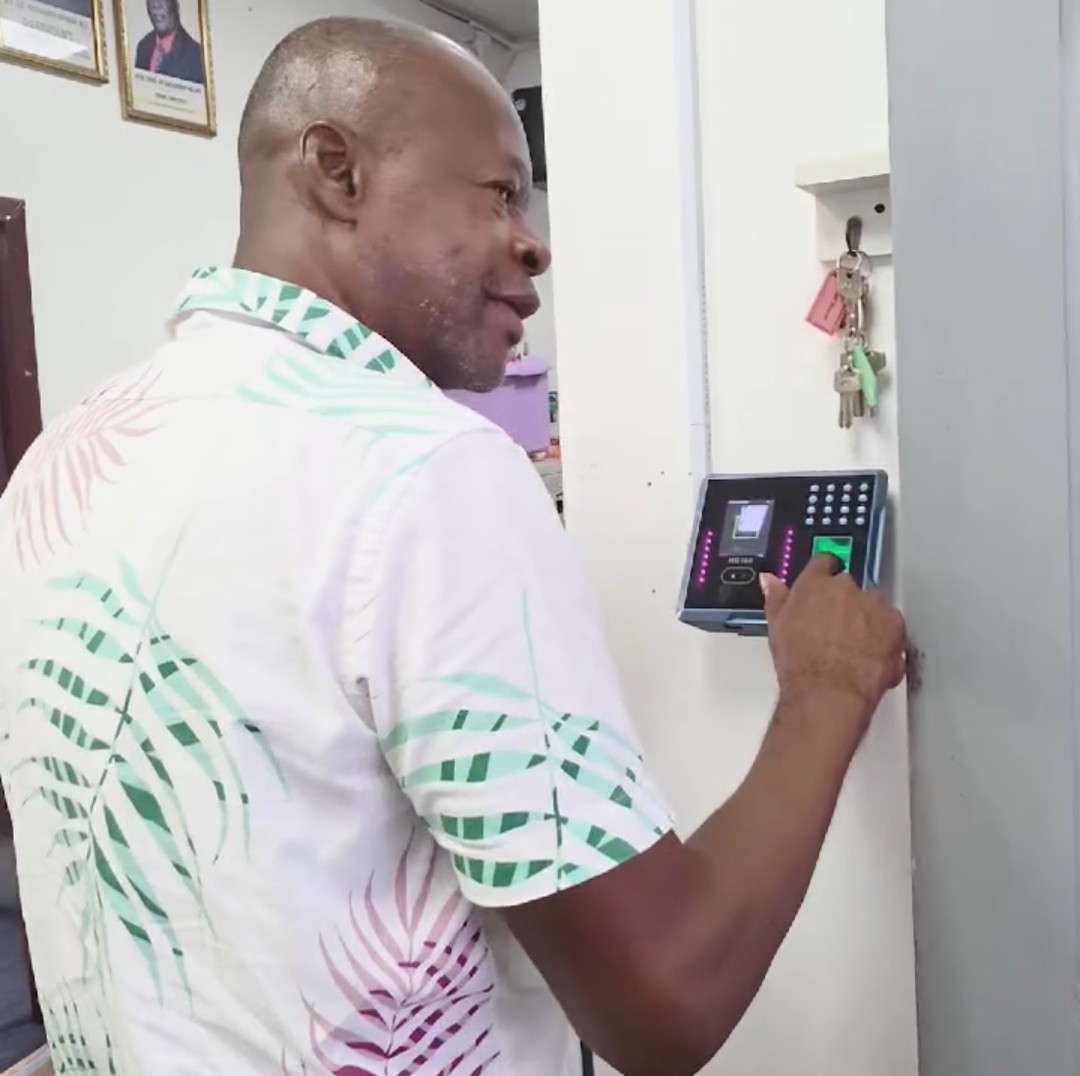


The Ministry of Education is moving ahead with the introduction of biometric attendance systems for schools. Minister of Education Sonia Parag told the Committee of Supply that the initiative is aimed at strengthening accountability and improving learning outcomes rather than penalising teachers.
During the consideration of the Budget 2026 estimates at the Arthur Chung Conference Centre, the minister explained that the ministry has issued standard specifications to guide schools in procuring biometric systems, ensuring compatibility and durability.
“The ministry puts the specifications to the school, and then they can, from those specifications, purchase the system,” she said, adding that the equipment must be compatible with the Education Management Information (EMI) system.
She noted that where schools are unable to finance the system, the ministry may provide support to ensure a uniform implementation process.
The minister also clarified that the introduction of clock-in and clock-out technology will not alter existing rules governing teachers’ work schedules or overtime.
The education minister explained that teachers already sign in and out manually and that their professional responsibilities extend beyond classroom hours to tasks such as planning and administrative duties.
“This is not a punishment measure for teachers. It is not a punitive measure. It is to ensure that we have that accountability, to ensure that we have better results and children are taught, and to ensure that we are transforming digitally as well,” she said.
She added that significant public investment in education must be matched by improved outcomes, noting that absenteeism or lost teaching time undermines efforts to raise matriculation rates and student performance.
“We can’t, as a nation, speak about wanting matriculation rates to be better… and then you’re not seeing the results,” the minister said.
Meanwhile, in response to questions on operational costs, the minister disclosed that allocations for telephone and internet charges have increased to facilitate expanded connectivity in the school system, including new satellite connections, upgrades from LTE to fibre, and additional internet bandwidth for schools, particularly in hinterland regions.
She also outlined broader measures to enhance safety and discipline in schools, including the development of standard operating procedures, public consultations on anti-bullying policies, and the planned rollout of new technological tools to support security and incident response.
The minister said these initiatives form part of a wider effort to modernise the education sector, strengthen accountability, and improve the quality of teaching and learning nationwide. (DPI)
Subscribe to get the latest posts sent to your email.
Related News

Inbound US passenger nabbed with ganja at CJIA remanded

Driver in fatal BJDRB accident gets $2M bail

No job losses from GuySuCo’s mechanisation – Mustapha