

Dear Editor,
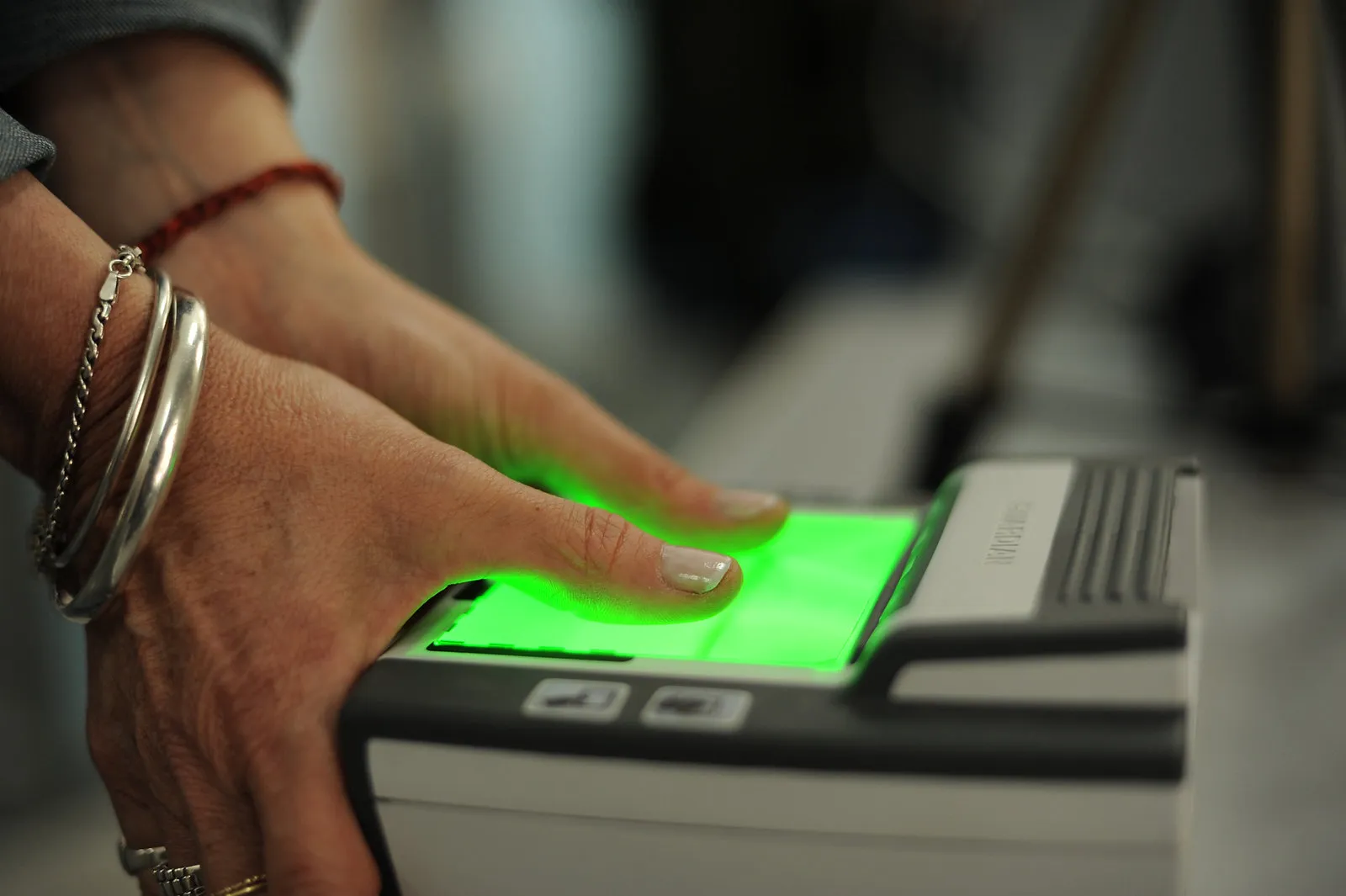
I write to advocate for biometric voting at the next local Government elections as a small first step on the road to expanding biometric verification for elections nationwide.
Conducting a trial at the local Government level would allow the commission to test logistical feasibility during actual voting, assess risks and challenges beforehand, and make improvements to the process before considering biometric verification for future general and regional elections.
Biometric voter verification systems, which generally refer to fingerprint or facial scanning technologies, are implemented to bolster voter ID integrity and reduce administrative weaknesses inherent to handwritten registers and first-vote-only ID cards. Done right, biometric verification allows electoral commissions to limit duplicate voting and impersonation, as well as administrative inconsistencies by verifying that every voter who votes is only one registered voter. Done wrong, biometrics are susceptible to poor planning, lax data security and voter profiling, ineffective training and procedures, poor technology, and lack of transparency. For these reasons, I believe a nationwide rollout of biometric verification should only be implemented after extensive pilot programmes and not during the first election in which biometrics are used nationwide.
Local elections present an opportunity to trial this technology on a smaller scale. In contrast to general elections, local Government elections have fewer registered voters per constituency, far fewer constituencies to manage, and more flexible logistics. In this scenario, election management bodies would have the capacity to install biometric devices at polling stations, run mock registration and verification exercises, and measure performance indicators like average verification time, failed device rate, queue length, and the number of voters requiring assisted or alternate verification.
This also provides the opportunity to assess the impact of biometric verification on the voters’ experience, including accessibility for seniors, persons with disabilities, and voters whose fingerprints cannot be easily read due to wear or job-related hand issues. Importantly, all the information collected during a local Government election pilot can be used to refine device procurements, device specifications, polling station user experiences, contingency planning, and more.
There are already examples from other countries we can learn from that illustrate that biometric verification, when planned properly and implemented correctly, can improve the credibility of voter identification at polling stations. Although there were operational issues with Ghana’s verified biometric voter registration and voter verification exercise during general elections in 2012, the mere presence of biometric verification at polls was lauded by voters as a means of limiting impersonation and multiple voting.
What Ghana’s election shows us is that technology is not a silver bullet. Biometric verification will only limit administrative weaknesses if election commissions build strong procedural guidelines around the technology. Parts of Ghana’s election were successful because their commission maintained transparent practices, trained verifiers effectively, and prepared reasonable contingency plans for voters who could not be verified biometrically.
The pilot for our local Government elections should have defined goals and key performance indicators. Whether our priorities are accuracy and inclusiveness (low false rejection rates), consistency (backup power, device backups, and offline capabilities), data security, voter education, or public transparency, setting clear goals for the implementation of this technology will help make the case for biometrics (or against it) with concrete data. Of course, this data will only be useful if the trial is auditable.
Things like device logs, incident logs, independent monitoring, and a publicly available post-election trial report will help instill confidence in the implementation of this technology. If voters are led to believe biometric voting is being introduced to suppress votes rather than increase accuracy, participation in that election will suffer.
If, after a local election trial, we can determine that biometric verification is sufficiently accurate, inclusive, and cost-effective, then we can justify using biometric verification during the next general and regional elections. But if we find that there’s too high a likelihood that devices will fail on election day, exclude legitimate voters from participating, or significantly slow down voter throughput at polling stations, we can delay the integration of biometrics until we have had more time to consider these challenges.
Biometric voting at the upcoming local Government elections is a low-risk election that allows us to trial voting technology during actual voting conditions and make an educated decision moving forward. If we find that biometric voting works, we’ll have even more reason to introduce it at the next general and regional elections. If it doesn’t, we’ll have hard data to show why not.
Yours sincerely,
Philip Inshanally
Subscribe to get the latest posts sent to your email.
Related News

Inclusivity & respect are fundamental values of Islam - CIOG, MYO
$20,000 transportation grant for pensioners to be available in May

Construction worker stabbed to death at Parfaite Harmonie